 Save
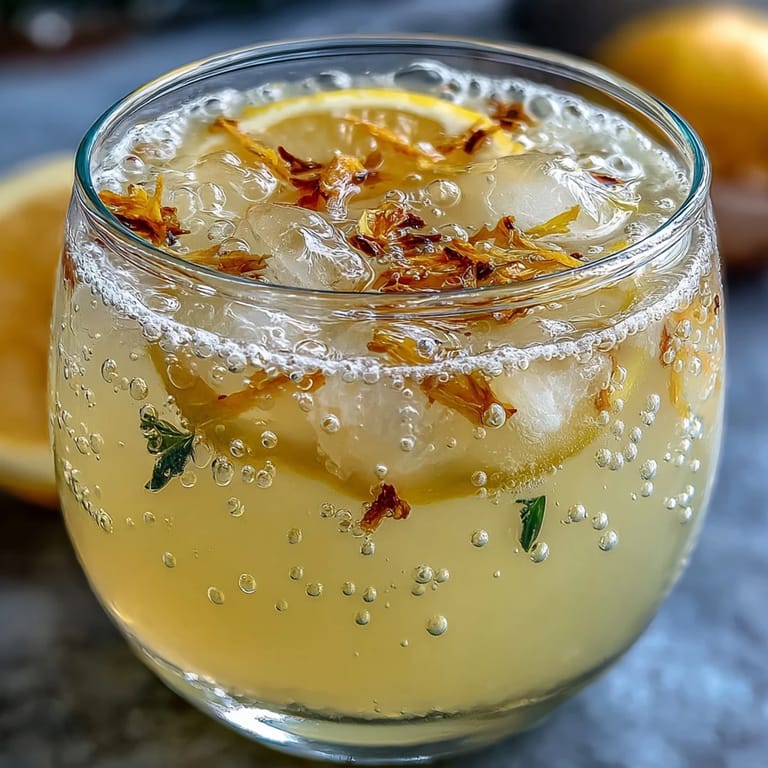
Save It’s funny how a quiet afternoon can send you down a rabbit hole of kitchen experiments. I can still picture the counter speckled with lemon seeds, my hands sticky with honey, and the curiosity brewing as I mixed it all together for the first time. The smell of fresh citrus lifted the mood instantly, that sweet-sour perfume making the whole process feel somehow optimistic. I hadn’t planned for anything fancy—it was just a way to use up extra lemons—but the promise of natural fizz was too intriguing to ignore.
There was a weekend when I brought a big jar of this lemonade to a friend’s backyard gathering. We stood around passing mugs, listening for that quiet pop as each bottle opened—a tiny round of applause for our patience. Somehow, the fizzier the drink, the crispier the conversation became. Everyone kept asking me what the secret was, and I had to admit: it was partly luck, mostly waiting, and a bit of childlike excitement.
Ingredients
- Lemons: Freshly squeezed juice ensures the brightest, most honest flavor—removing seeds keeps the zing pure, and rolling lemons on the counter releases more juice.
- Filtered Water: Makes all the difference—chlorinated tap water can stall fermentation so I always use filtered to keep the microbes happy.
- Raw Honey: Unpasteurized honey is what kickstarts the natural fermentation; if the honey’s not raw, you’ll just have sweet lemonade, not a fizz fest.
- Fresh Ginger (optional): Sliced ginger adds a warming zing—peeling it first prevents any bitterness.
- Fresh Mint (optional): One simple sprig lends a garden-fresh aroma and color that looks just as good as it tastes.
Tired of Takeout? 🥡
Get 10 meals you can make faster than delivery arrives. Seriously.
One email. No spam. Unsubscribe anytime.
Instructions
- Mix It All Up:
- Pour the fresh lemon juice and filtered water into a large jar or pitcher, letting the scents immediately brighten your kitchen.
- Dissolve the Honey:
- Add the raw honey and stir gently but thoroughly until every swirl disappears and the liquid goes gloriously golden.
- Personalize with Flair:
- If you’re feeling bold, toss in ginger slices or mint and give it a swirl, inhaling as the aromas mingle.
- Prepare to Ferment:
- Transfer the liquid to a clean glass jar, leaving an inch or two of breathing room at the top—think of it as space for the bubbles to stretch out.
- Cover and Wait:
- Top with a loose lid or fermentation airlock, and set the jar someplace shady at room temp, where it can fizz away out of sight.
- Ferment and Taste:
- Each day, sneak a taste and note the tang building; after 2 to 3 days—when it’s lightly fizzy with the right punch—move it to swing-top bottles.
- Chill and Serve:
- Seal tightly, refrigerate for a few hours, then serve in ice-filled glasses to catch that lively sparkle.
 Save
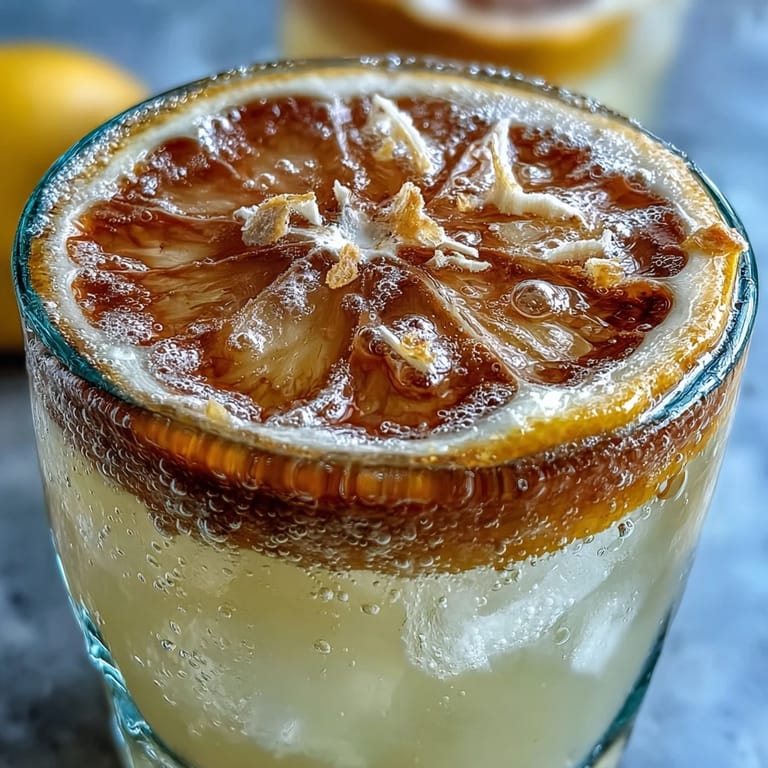
Save There was something unexpectedly sweet about sharing this lemonade with my curious niece as she watched the bubbles catch the light. It’s one of those tiny kitchen rituals that feels a little magical every time—when a careful pour brings science, patience, and play to the table, and everyone gets to toast the result.
Choosing the Right Honey
I once bought a honey that looked perfect but wasn’t raw, and the whole batch sat stubbornly flat for days. Always double-check that your honey is unpasteurized; those wild microbes are what make the fizz come alive and the flavor deepen naturally.
Fermentation Troubleshooting
Not every batch is a fizzy triumph—sometimes it’s too warm and the lemonade goes a bit musty, or too cold and nothing happens. If your bubbles seem shy, try giving the jar a gentle swirl each morning to coax things along without disturbing the fermenting magic too much.
Flavor Adventures and Variations
Adding a handful of berries on a whim once turned my batch the loveliest shade of pink; basil, meanwhile, gives a spicy-sweet depth that’s hard to describe. Experimenting keeps each new batch interesting, so don’t be afraid to mix things up.
- If your lemonade’s extra fizzy, open bottles over the sink to avoid surprises.
- A pinch of sea salt can balance the sour and bring hidden flavors forward.
- Chill thoroughly for the liveliest sparkle in every glass.
 Save
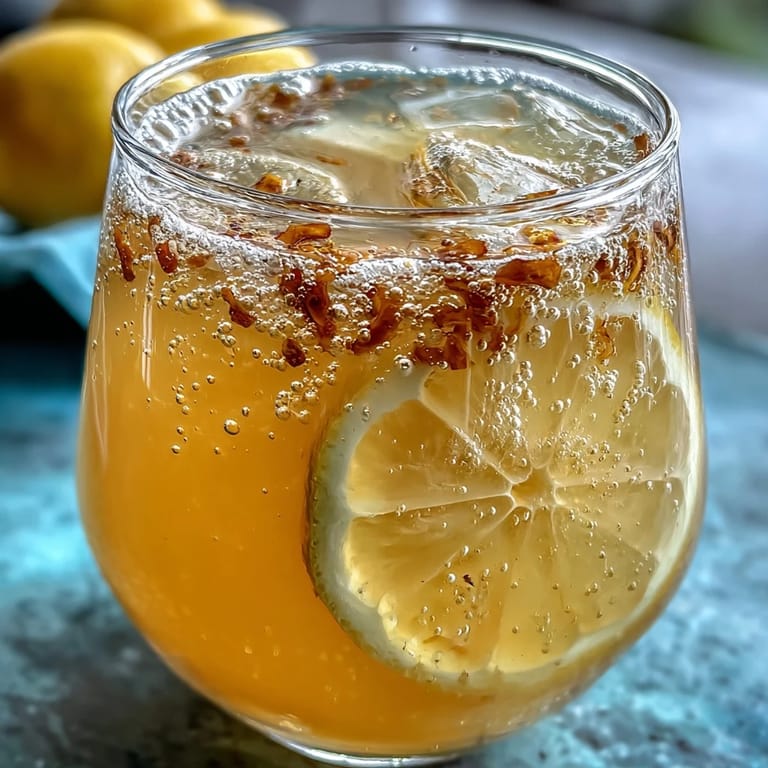
Save Bring out this lemonade for slow afternoons or little celebrations—it’s proof that patience and a bit of curiosity can make something quietly wonderful. Cheers to small experiments and fizzy sips.
Recipe FAQs
- → Why use raw honey?
Raw honey contains natural yeasts and sugars that help gentle fermentation and contribute to a mild, complex sweetness. Processed honey may not ferment reliably.
- → How can I increase the fizziness?
Allow fermentation an extra day or two and use sturdy swing-top bottles for secondary conditioning. Always monitor pressure and open bottles slowly to avoid sudden release.
- → Can I add other flavors?
Yes—fresh ginger, mint, berries, or a pinch of sea salt work well. Add delicate herbs after primary fermentation to preserve their aroma, or include sturdier ingredients like ginger from the start.
- → How do I tell when it's ready?
Taste daily. The drink is ready when it turns tangy, slightly sweet, and shows gentle effervescence. Timing varies with room temperature, typically 2–3 days.
- → How should I store finished bottles?
Refrigerate sealed swing-top bottles. Cold slows fermentation and preserves flavor. Chill at least 4 hours before serving and open slowly to release built-up pressure.
- → Any safety tips during fermentation?
Use clean glass containers, leave headspace for gases, and avoid tight seals during primary fermentation. Check bottles for excess pressure and never serve to infants under one year due to honey content.