 Save
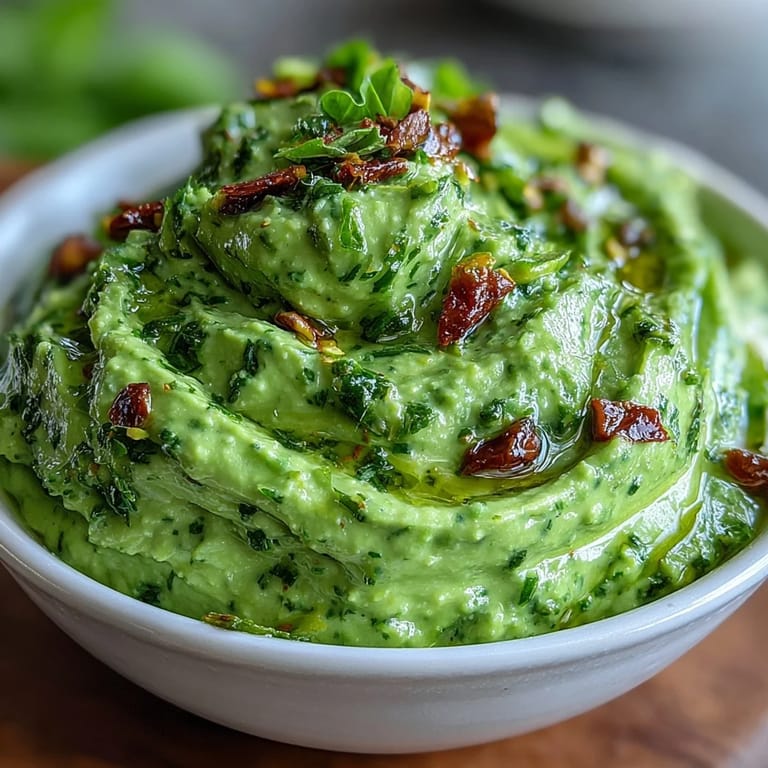
Save I discovered pistachio pesto entirely by accident one spring afternoon when I had a surplus of basil from the garden and a half-empty jar of pistachios gathering dust in the pantry. Instead of making the traditional pine nut version, I tossed them together on a whim, and the moment that vibrant green paste hit my tongue, I realized I'd stumbled onto something special. The nuttiness felt warmer and more grounded than pine nuts, with an almost buttery undertone that made everything taste a little richer. Now I find myself making this whenever I want something that feels both comforting and sophisticated without any fuss.
I'll never forget the first time I served this to my neighbor Sarah, who arrived unannounced just as I was drizzling the last bit of olive oil into the processor. The kitchen smelled absolutely incredible—green and alive in a way that made her pause mid-conversation. By the time I'd tossed it with some pasta and fresh tomatoes, she was asking for the recipe before she'd even sat down. That moment taught me that sometimes the simplest things, made with intention, are what actually matter.
Ingredients
- Shelled unsalted pistachios (1 cup): These are the star, so choose ones that smell fresh and vibrant—rancid nuts will ruin the whole thing, trust me on this one.
- Fresh basil leaves, packed (2 cups): The fresher this is, the brighter your pesto will taste, so pick it the day you're making this if you can.
- Garlic cloves (2): Two is gentle; if you love garlic, go for three, but remember it gets stronger as it sits.
- Grated Parmesan cheese (1/3 cup): Real Parmesan makes a noticeable difference in creaminess and depth.
- Extra-virgin olive oil (1/2 cup): This is where quality shows, so use something you'd actually want to drizzle on bread.
- Kosher salt (1/2 teaspoon) and freshly ground black pepper (1/4 teaspoon): Season as you go, since the salt will have different effects depending on how fine your processor makes the paste.
- Fresh lemon juice (1 tablespoon, optional): A squeeze of brightness that keeps everything from feeling too heavy.
Tired of Takeout? 🥡
Get 10 meals you can make faster than delivery arrives. Seriously.
One email. No spam. Unsubscribe anytime.
Instructions
- Pulse the foundation:
- Drop your pistachios, basil, and garlic into the food processor and pulse until everything is finely chopped but still has a little texture to it. You're looking for the moment when it looks like coarse sand, not baby food.
- Build the body:
- Add the Parmesan, salt, and pepper, then pulse a few more times until everything is evenly distributed and you can see flecks of bright green throughout.
- Emulsify with oil:
- Turn the processor on and drizzle the olive oil in slowly—this is the magic step that transforms chopped ingredients into something creamy and cohesive. Watch it come together and stop before it gets too thin.
- Taste and adjust:
- Give it a taste right from the spatula, then add lemon juice if you want that little lift, pulsing just until combined. This is your moment to make it yours.
- Store or serve:
- Use it immediately while it's at peak vibrancy, or transfer to an airtight container for up to five days in the fridge—though I've honestly never had any last that long.
 Save
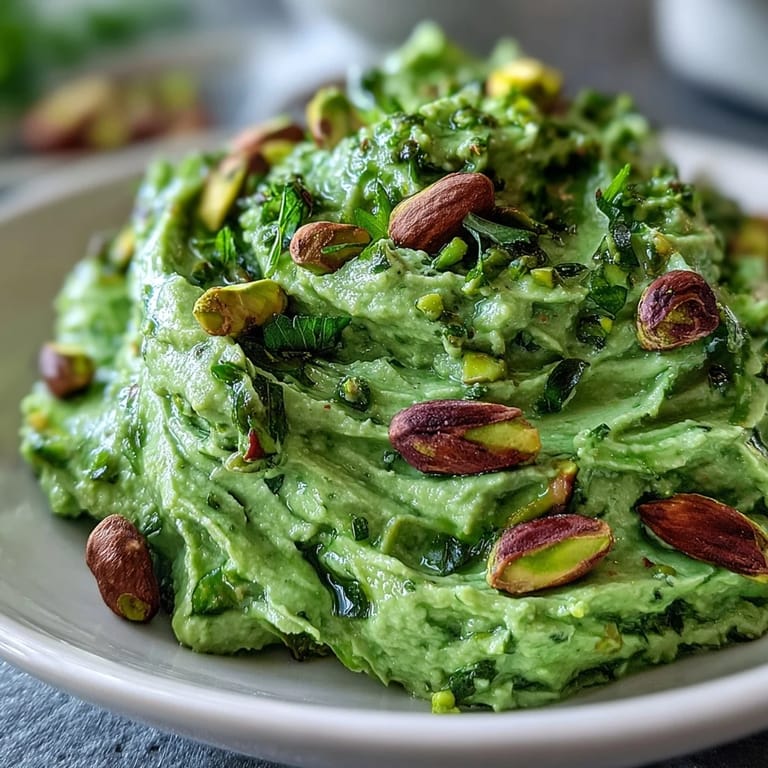
Save There's something almost ceremonial about watching pesto come together in the food processor, watching those rough green pieces transform into something silky and vibrant. The first time someone spread mine on warm bread and closed their eyes to taste it, I realized that making food people actually enjoy is its own kind of gift.
How to Use Your Pistachio Pesto
Toss this with warm pasta and a handful of fresh tomatoes for something that feels special without requiring much effort. Spread it on crostini or crackers as an appetizer, or swirl it onto grilled chicken or fish for a finishing touch that makes people think you spent hours cooking. I've also stirred it into roasted vegetables, dolloped it onto soup, and even mixed it into cream cheese for a sandwich spread that made lunch feel like something worth looking forward to.
Making It Your Own
The beauty of pesto is how flexible it is once you understand the basic technique. I've made versions with arugula instead of basil, added toasted pine nuts for extra nuttiness, and even tried it with walnuts when pistachios were too expensive. The ratios don't have to be exact—what matters is that you taste as you go and stop when it feels right to you.
Storage and Variations
Keep this in the coldest part of your fridge, and it'll stay vibrant for about five days, though the color will deepen slightly as it sits. For a vegan version, swap the Parmesan for nutritional yeast, which gives a similar umami richness without the dairy. If you're making it specifically for pasta, thin it with a tablespoon or two of pasta cooking water to make it coat the noodles more easily.
- Make it thinner for pasta by stirring in reserved pasta water a tablespoon at a time.
- A squeeze of lemon juice brightens the flavor if it starts to taste flat after a day in the fridge.
- Keep an eye on the oil—if it separates slightly, just stir it back in before serving.
 Save
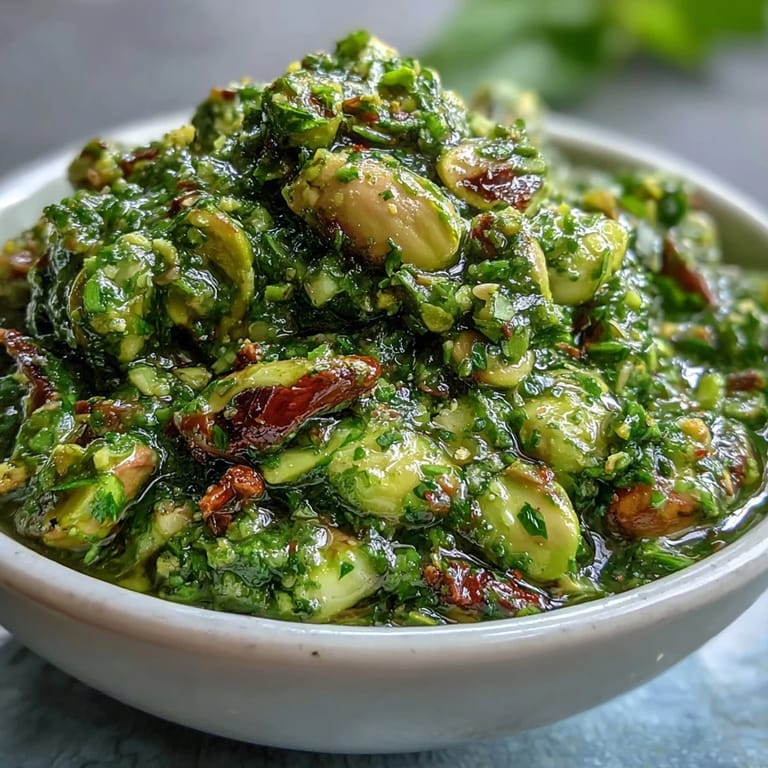
Save This pesto has become one of those recipes I make almost without thinking, reaching for it whenever I want to turn something ordinary into something that tastes intentional and good. I hope it does the same for you.
Recipe FAQs
- → What type of nuts are used in the pesto?
Unsalted shelled pistachios provide a rich, nutty base for this sauce.
- → Can I make this sauce vegan?
Yes, replace the Parmesan cheese with nutritional yeast for a vegan-friendly option.
- → How should I store the pesto?
Keep it in an airtight container refrigerated and use within five days for best freshness.
- → What liquids are used to achieve the smooth texture?
Extra-virgin olive oil is slowly added to create a smooth, spreadable consistency.
- → How can I adjust the pesto consistency for pasta?
Add a tablespoon of pasta cooking water to thin the sauce and help it coat noodles evenly.
- → Is there any seasoning added to the mixture?
Kosher salt and freshly ground black pepper enhance the overall flavor without overpowering the ingredients.