 Save
Save My first hojicha latte arrived on a humid Tokyo afternoon when I ducked into a small café near Shibuya Station, desperate for something cool but nothing like the sugary iced coffee I'd been drinking all week. The barista poured this amber-colored tea over ice with such casual grace that I assumed it was simple, but that first sip—toasty, smooth, with a whisper of vanilla—proved me wrong. Now whenever I need that same sense of calm in my own kitchen, I brew this version, and it takes me straight back to that moment of unexpected discovery.
I made this for my sister during a sweltering July evening when she showed up unannounced with groceries and a willingness to help me meal prep. We'd been in the kitchen for hours, and everything felt sticky and exhausting until I remembered the hojicha tin gathering dust in my pantry. Watching her take that first sip and close her eyes like she'd just solved something became one of those small kitchen moments that stuck with me.
Ingredients
- Hojicha loose leaf tea (2 tablespoons) or tea bags (2): This roasted green tea is the whole soul of the drink, with a warm, toasty flavor that won't taste bitter even if you accidentally over-steep it.
- Hot water (1 cup / 240 ml): Use water just below boiling—think steam rising but not rolling boils—so the delicate roasted notes stay bright instead of turning harsh.
- Pure maple syrup (2 teaspoons): It dissolves easily while warm and adds a subtle natural sweetness that complements the tea's earthiness rather than fighting against it.
- Vanilla extract (1/2 teaspoon): A small amount creates that creamy, almost dessert-like quality without making the drink taste artificial.
- Milk of choice (1 cup / 240 ml): Dairy, oat, soy, or almond all work beautifully; pick whichever makes your kitchen feel like home.
- Ice cubes (1 cup): Pack them generously so your drink stays cold and refreshing from the first sip to the last.
Tired of Takeout? 🥡
Get 10 meals you can make faster than delivery arrives. Seriously.
One email. No spam. Unsubscribe anytime.
Instructions
- Brew your tea with intention:
- Pour hot water (around 90°C/195°F—basically steaming but not quite violent) over your hojicha and let it steep for 3 to 4 minutes. You'll watch the water transform into this gorgeous amber color, and that's when you know the tea is doing its job.
- Strain and sweeten while warm:
- Remove the leaves or bags, then immediately stir in maple syrup and vanilla, letting the warmth help them dissolve completely into the tea. This matters more than you'd think—cold liquid won't release the sweetness the same way.
- Cool at your own pace:
- You can drink this right away if you're impatient, or pop it in the fridge while you set up your glasses. Either way works; the flavor won't change.
- Assemble with ice and milk:
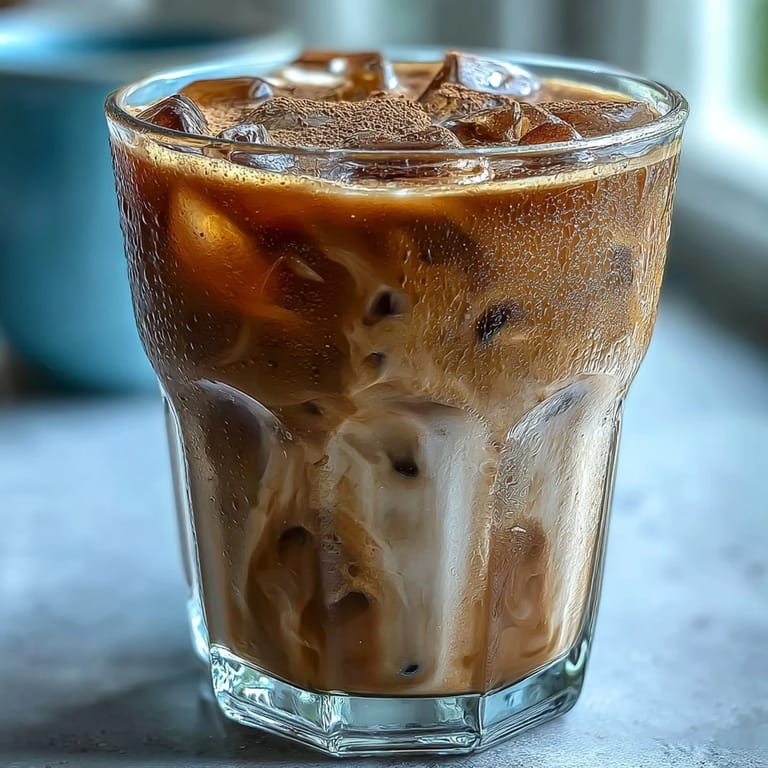
- Fill your glasses with ice, pour the cooled hojicha over top, then finish with 1/2 cup of milk per glass and a gentle stir. The swirling of tea and milk is oddly satisfying and signals that your drink is ready.
 Save
Save What surprised me most about this drink was how it became a small ritual rather than just a beverage. My roommate started requesting it on Friday afternoons, and suddenly we had an excuse to slow down before the weekend actually started. Something about the warmth of the hojicha brewing, then the satisfaction of pouring cold milk into golden tea, made even a quick drink feel purposeful.
Choosing Your Tea
Hojicha quality genuinely matters here because there's nowhere to hide—you're not drowning this in syrups or complicated flavors. A good hojicha should smell warm and toasty, almost like someone's been gently roasting nuts in your kitchen. Loose leaf tea tends to have more complexity than tea bags, but honestly, both work fine if that's what you've got on hand. Buy from a source where tea actually moves off shelves rather than sitting in storage, because stale hojicha loses its magic.
The Milk Question
Each milk brings something different to this drink, and I've learned to think of it less as a limitation and more as a chance to play. Oat milk creates a creamy dreaminess that feels indulgent, while almond milk keeps things light and lets the tea shine through. Dairy milk gives you that classic café texture, and soy milk adds a subtle nuttiness that actually echoes the hojicha beautifully. Don't be precious about it—use what you have and taste as you go.
Beyond the Basic Recipe
Once you've mastered the standard version, the fun really begins because hojicha is forgiving and plays well with others. I've made versions with a tiny pinch of cardamom, a drizzle of honey instead of maple, even a dash of cinnamon that made it feel almost chai-like without losing its essential character. You might froth your milk beforehand for extra creaminess, or top it with a light dusting of hojicha powder so you get those roasted notes in every single sip. The point is that this recipe is flexible enough to become yours.
- Try swapping maple syrup for honey or agave if you want a different flavor note without changing the technique.
- Frothing the milk before adding it makes the drink feel restaurant-quality and adds beautiful texture.
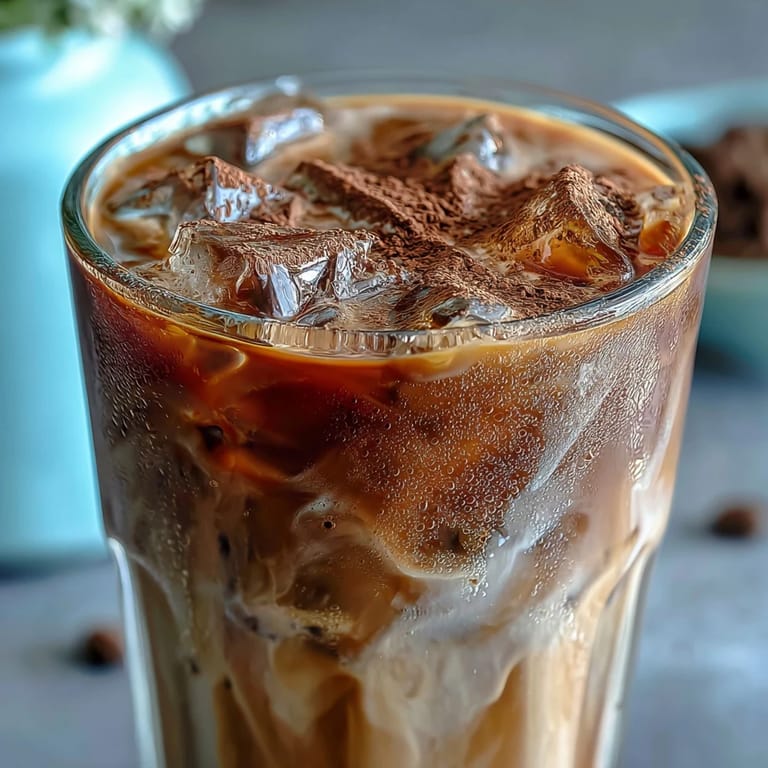
- A cinnamon stick or hojicha powder on top isn't just pretty—it adds an extra sensory moment to the experience.
 Save
Save This drink somehow became my answer to afternoons that need resetting or mornings that need waking up gently. It's proof that sometimes the simplest things—good tea, good milk, five minutes of patience—create something worth coming back to again and again.
Recipe FAQs
- → What does hojicha taste like?
Hojicha has a distinctive nutty, caramel-like flavor with earthy undertones. The roasting process reduces bitterness and creates a smooth, mellow taste that's less astringent than other green teas.
- → Can I make this ahead of time?
Yes! Brew the tea and sweeten it as directed, then store in the refrigerator for up to 2-3 days. Add milk and ice when ready to serve for the freshest taste.
- → Is hojicha high in caffeine?
Hojicha naturally contains less caffeine than other green teas due to the roasting process, making it a gentler choice for those sensitive to caffeine or for afternoon enjoyment.
- → What's the best milk for this latte?
Dairy milk provides richness, but oat milk creates excellent creaminess and complements the roasted notes. Almond and soy milk also work well, offering slightly different flavor profiles.
- → Can I use hojicha powder instead of leaves?
Absolutely! Whisk 1-2 teaspoons of hojicha powder into hot water until dissolved, then proceed with the recipe. Powder creates a smoother, more integrated flavor.
- → How do I adjust the sweetness?
Start with 2 teaspoons of maple syrup and add more to taste. For a lighter version, reduce to 1 teaspoon or omit entirely—the vanilla provides subtle sweetness on its own.