 Save
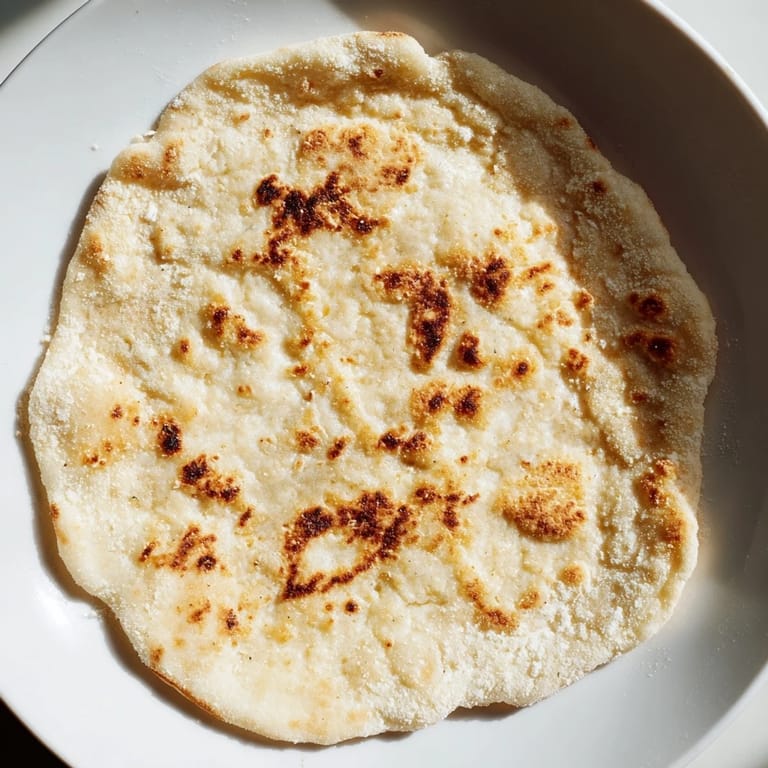
Save My neighbor handed me a container of cottage cheese one afternoon, insisting I use it before it expired. I'd never thought to bake with it, but something about the creamy texture made me curious. That evening, I mixed it with Greek yogurt and flour, and the dough came together like silk. When those first flatbreads hit the hot pan, the smell filled my kitchen with something warm and unfamiliar—buttery, slightly tangy, undeniably good.
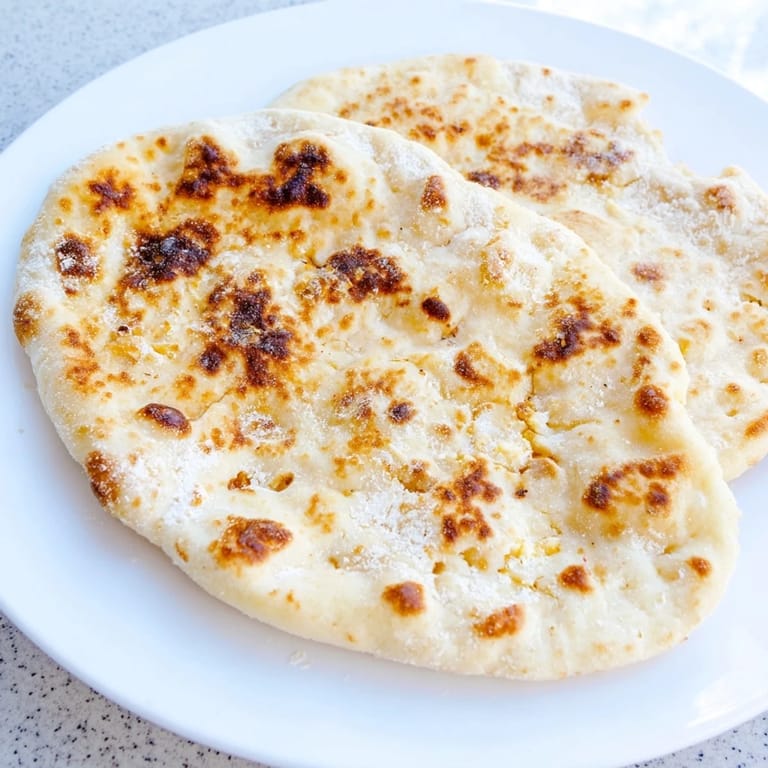
I made these for a spontaneous lunch with a friend who'd been craving something homemade but said she had nothing to work with. Standing at the stove while she chatted about her week, I watched the pale dough transform into golden-spotted rounds. She tore into one while it was still warm, and the genuine surprise on her face—the way she immediately asked for the recipe—made me realize this wasn't just flatbread. It was proof that sometimes the simplest ingredients create the most memorable moments.
Ingredients
- Plain flour (200 g): The foundation, but don't sift it obsessively—a quick stir and scoop method works just fine here.
- Greek yogurt (120 g): This adds moisture and a subtle tang that makes the flatbread taste more interesting than plain dough.
- Cottage cheese (100 g): The secret ingredient that creates incredible tenderness and a delicate crumb structure.
- Baking powder (1/2 tsp): A tiny amount gives lift without making the bread puffy or cake-like.
- Fine sea salt (1/2 tsp): Don't skip this—it brightens the flavor and balances the dairy tang.
- Olive oil or melted butter (2 tbsp): For pan-frying, and it's what creates those golden, crispy spots everyone loves.
Tired of Takeout? 🥡
Get 10 meals you can make faster than delivery arrives. Seriously.
One email. No spam. Unsubscribe anytime.
Instructions
- Combine your dry ingredients:
- In a large bowl, whisk together flour, baking powder, and salt. This prevents lumps and ensures even leavening throughout your dough.
- Bring in the dairy:
- Add Greek yogurt and cottage cheese to your dry mix. Use a spoon at first, then switch to your hands when it gets shaggy—your fingers are the best tool for understanding when it all comes together.
- Knead gently:
- On a lightly floured surface, knead for 2 to 3 minutes until the dough feels smooth and slightly elastic. If it's too sticky, dust with a little flour, but don't overwork it or the flatbreads will toughen.
- Divide into portions:
- Cut the dough into 6 equal pieces and roll each into a ball. Letting them rest for a minute makes rolling easier, but it's not essential.
- Roll out your flatbreads:
- Using a rolling pin and flour for dusting, gently roll each ball into a flat round about 5 to 6 mm thick. Aim for even thickness so they cook uniformly.
- Heat your pan:
- Use a nonstick skillet or cast iron pan over medium heat. Cast iron holds heat beautifully and creates better color, but either works.
- Cook one side:
- Brush the pan lightly with oil or butter, then place a flatbread on the hot surface. You'll hear a gentle sizzle—that's your signal you're at the right temperature.
- Watch for the golden moments:
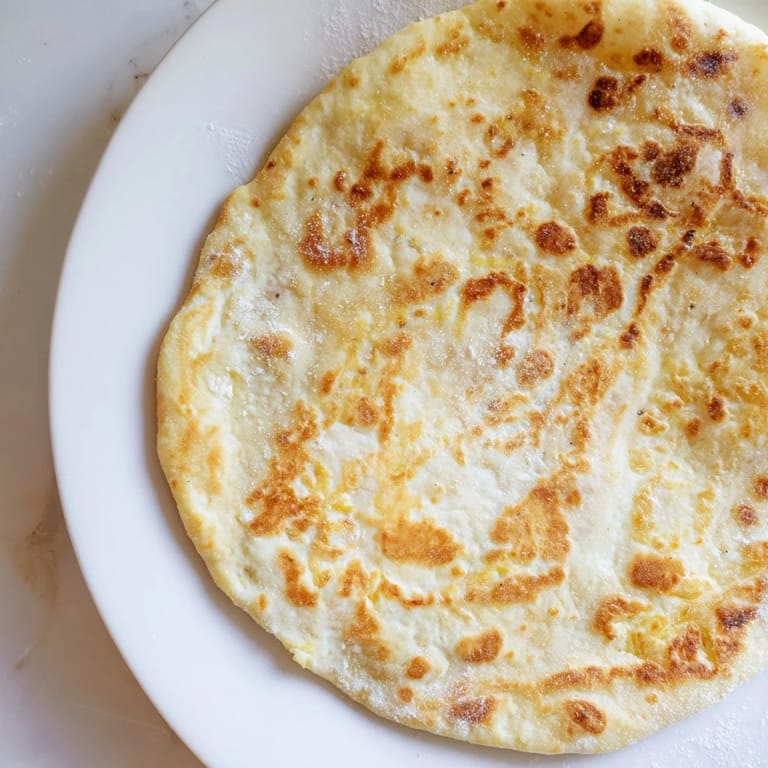
- After 2 to 3 minutes, you'll see golden spots forming. Flip carefully and cook the other side until it's equally golden and the bread feels firm when pressed.
- Keep them warm:
- Transfer each finished flatbread to a plate and cover loosely with a clean kitchen towel, which traps steam and keeps them soft while you finish the batch.
 Save
Save Later that week, I used these to wrap roasted vegetables and some leftover chicken, and my partner grabbed one before I could even plate mine. That's when I knew this recipe had staying power. It wasn't fancy or trendy, just honest food that tastes better because it was made fresh.
Why Cottage Cheese Matters Here
Cottage cheese is underrated in baking. Most people think of it as a breakfast bowl ingredient, but its mild flavor and creamy texture work beautifully in dough. The curds create tiny pockets of moisture that keep the flatbread tender even after it cools, and the natural tang adds depth you wouldn't get from flour and water alone. Combined with yogurt, it creates a tender crumb that feels almost luxurious.
Flavor Variations That Work
Once you master the basic dough, you can invite different flavors in without complicating things. Fresh herbs like parsley, chives, or dill fold into the dough beautifully and bake right in. Minced garlic adds a savory punch, or try a teaspoon of nigella seeds for an unexpected twist. The cottage cheese base is neutral enough that it plays well with herbs, spices, or even a sprinkle of za'atar on top after cooking.
How to Serve and Store Them
Warm flatbreads are best fresh from the pan, torn into pieces and dipped into hummus, tzatziki, or a simple yogurt sauce. They also wrap around roasted vegetables, grilled chicken, or soft cheeses beautifully. If you have leftovers—though they rarely last long—store them in an airtight container and reheat gently in a dry pan over low heat until they're warm through and soft again.
- Eat them within a day or two for the best texture and taste.
- Reheating in a dry pan rather than the microwave preserves their chewy quality.
- They freeze reasonably well if wrapped individually and stored in a freezer bag.
 Save
Save There's something honest about a flatbread made from simple ingredients and cooked by hand. These won't impress with complexity, but they will make your kitchen smell wonderful and your dinner table feel more welcoming.