 Save
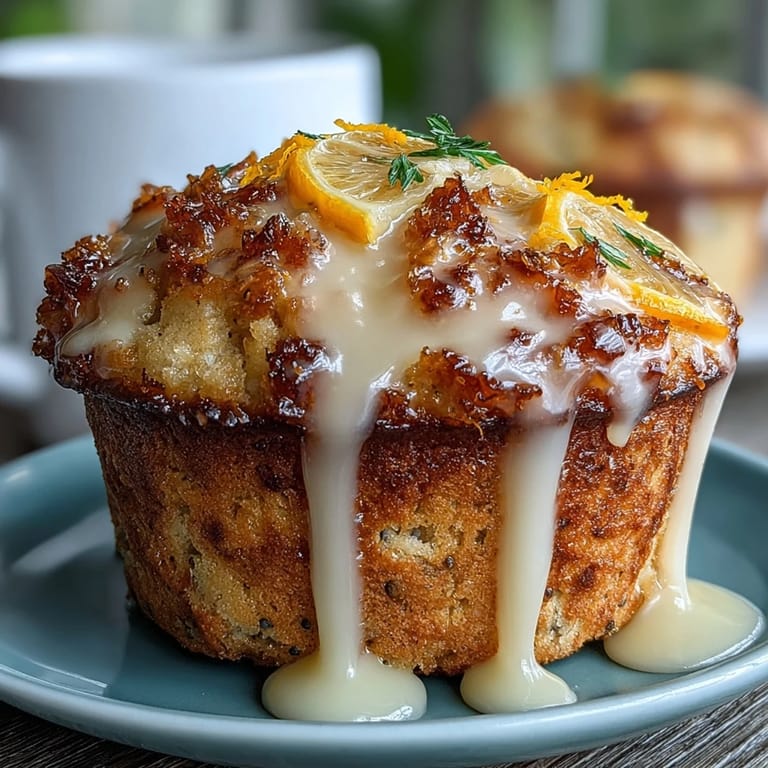
Save Last spring, I stood at my kitchen counter with three overripe lemons rolling around in a bowl, wondering what to do with them before they went bad. A friend had mentioned offhandedly that lemon muffins paired beautifully with Sunday brunch, and something about that combination of bright citrus and tiny poppy seeds clicked. Two hours later, my kitchen smelled like an Italian lemon grove had moved in, and I understood why she'd been so enthusiastic.
I made these for a small gathering once, and what struck me most wasn't the compliments but watching someone's face light up when they bit into the tender crumb dotted with those little pops of poppy seed flavor. That moment—when a homemade muffin becomes someone's small joy—reminded me why I bake at all.
Ingredients
- All-purpose flour (2 cups): This is your structure, and measuring it correctly by spooning and leveling makes a real difference in texture.
- Granulated sugar (1 cup): It sweetens, yes, but also helps the batter rise gently and creates that tender crumb you're after.
- Poppy seeds (2 tbsp): These tiny seeds deliver bursts of nuttiness and visual interest; don't skip them or you've lost half the charm.
- Baking powder and baking soda (2 tsp and ½ tsp): Together they work as your leavening agents, but use them fresh or your muffins will spread instead of rise.
- Salt (½ tsp): This small amount quietly amplifies the lemon flavor and balances the sweetness beautifully.
- Large eggs (2): They bind everything together and add richness; room temperature eggs incorporate more smoothly.
- Whole milk (¾ cup): It keeps the crumb tender and creates a more delicate muffin than buttermilk would.
- Unsalted butter, melted and cooled (½ cup): Melted butter distributes evenly and creates a more tender texture than solid butter would.
- Freshly squeezed lemon juice (⅓ cup): Bottled juice will let you down here; the fresh version is what makes these taste alive and bright.
- Lemon zest (2 tbsp): This is where the intense lemon flavor lives, so don't be shy with the zester and get those bright oils.
- Pure vanilla extract (1 tsp): It doesn't shout, but it deepens the other flavors and adds subtle warmth.
- Powdered sugar, sifted (1 cup): Sifting removes lumps and lets your glaze flow silky and smooth without streaks.
Tired of Takeout? 🥡
Get 10 meals you can make faster than delivery arrives. Seriously.
One email. No spam. Unsubscribe anytime.
Instructions
- Set your oven and prepare:
- Heat your oven to 375°F (190°C) and line your muffin tin with paper liners or a light grease. This small step prevents sticking and makes cleanup nearly invisible.
- Build your dry mixture:
- In a large mixing bowl, whisk together your flour, sugar, poppy seeds, baking powder, baking soda, and salt until they're evenly distributed. The poppy seeds will try to sink, so whisking ensures they scatter throughout.
- Combine your wet ingredients:
- In a separate bowl, whisk your eggs, milk, cooled melted butter, fresh lemon juice, lemon zest, and vanilla until smooth and pale. This is your flavor base, so don't rush it; give it about thirty seconds of whisking.
- Bring it together gently:
- Pour the wet ingredients into the dry ingredients and stir with a wooden spoon or rubber spatula until just barely combined. Overmixing develops gluten and toughens your muffins, so stop as soon as you don't see streaks of dry flour.
- Fill your muffin cups:
- Divide the batter evenly among the twelve muffin cups, filling each about three-quarters full. A spring-loaded scoop keeps them uniform and makes this step almost meditative.
- Bake until golden:
- Slide them into your preheated oven for 18 to 20 minutes; they're done when a toothpick inserted in the center comes out clean with just a few moist crumbs clinging to it. The tops will be light golden and smell absolutely impossible to resist.
- Cool with patience:
- Let them rest in the pan for five minutes to firm up slightly, then turn them out onto a wire rack to cool completely. Patience here prevents them from falling apart, and the wait makes the glaze application cleaner.
- Make your glaze:
- Whisk your sifted powdered sugar with two to three tablespoons of fresh lemon juice until it's smooth and pourable, like thick cream. If it's too thick, add a half teaspoon of juice at a time; too thin, and it runs off.
- Finish with shine:
- Drizzle the glaze generously over each cooled muffin and let it set for about ten minutes before serving. That glossy finish is the final touch that makes them feel special.
 Save
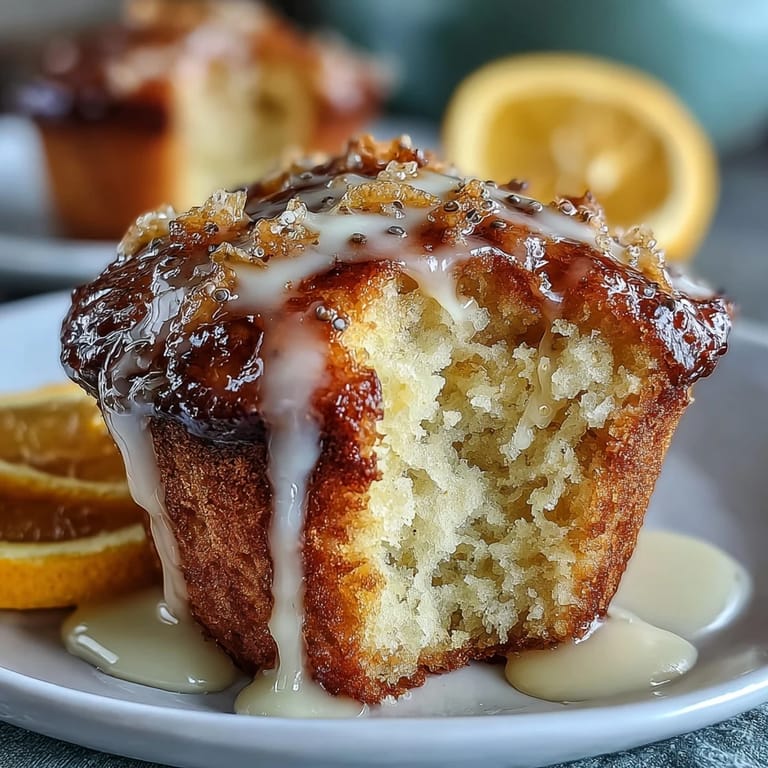
Save There's something about serving warm muffins with cold sparkling water and fresh berries that feels like spring itself has arrived on your plate. Every time I make these, I'm reminded that the simplest recipes often carry the most joy.
The Secret to Tender Muffins
The difference between a dense, rubbery muffin and an airy, tender one comes down to one moment: when you combine wet and dry ingredients. I've watched people overmix out of habit, stroking the batter smooth, and then look confused when the muffins turn out tough. The goal is barely combined—actually, you want to see a few streaks of flour still visible. Trust that stirring will continue as you fill the cups, and walk away from the bowl slightly anxious that you haven't done enough. Your future self biting into these will thank you.
Lemon Juice Versus Zest
Both matter, but they do different things, and learning this changed how I approached citrus baking. The juice brings acidity and moisture, the bright liquid note you taste immediately; the zest delivers those intense oil pockets that burst on your tongue and linger. I once tried to substitute more juice for missing zest, thinking the citrus flavor would intensify, but instead I ended up with muffins that were oddly wet on the inside and oddly bitter. Now I use both generously, and the flavor is balanced between subtle and bold.
Why These Muffins Make Perfect Gifts
There's a reason people beg for these once you've made them once: they're transportable, they last three days in an airtight container, and they taste better the next day when the flavors have melded together. I've wrapped them in parchment, tied them with twine, and watched people's faces shift from polite gratitude to genuine delight when they tasted one. Something about homemade lemon muffins feels both luxurious and comforting, which is a rare combination.
- Store cooled muffins in an airtight container at room temperature for up to three days, or freeze them for up to three months without the glaze.
- If you want to refresh them, wrap in foil and warm gently in a 300°F oven for five minutes before serving.
- The glaze is best applied to completely cooled muffins so it sets with a slight shine rather than melting into the crumb.
 Save
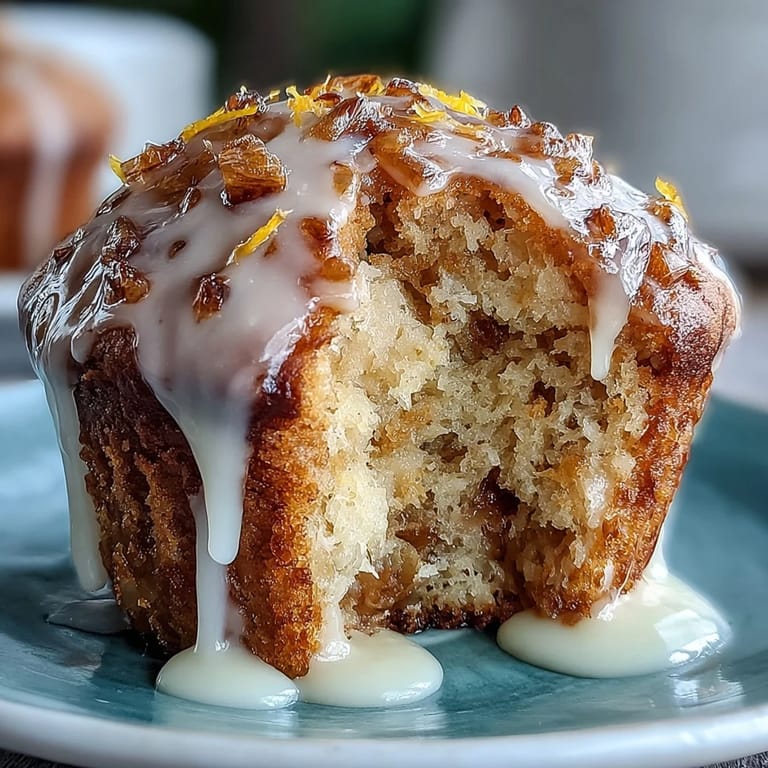
Save These muffins have become my go-to spring breakfast, the recipe I make when I want to feel like I've done something kind for myself and the people I share them with. There's comfort in knowing exactly how they'll turn out, and joy in watching someone discover what you already know: that a simple muffin can taste like spring itself.
Recipe FAQs
- → What gives these muffins their lemon flavor?
The lemon flavor comes from freshly squeezed lemon juice and lemon zest added to the batter and glaze, providing bright citrus notes.
- → How do poppy seeds affect the texture?
Poppy seeds add a pleasant crunchy texture that contrasts with the soft, moist muffin crumb.
- → Can I substitute ingredients for dietary needs?
You can replace half the butter with Greek yogurt for a lighter texture, and consider plant-based milk alternatives if dairy-free is needed.
- → What is the best way to make the glaze?
Whisk powdered sugar with freshly squeezed lemon juice until smooth and pourable, then drizzle over cooled muffins to set.
- → How do I prevent the muffins from drying out?
Do not overmix the batter and bake just until a toothpick inserted comes out clean to maintain moistness.