 Save
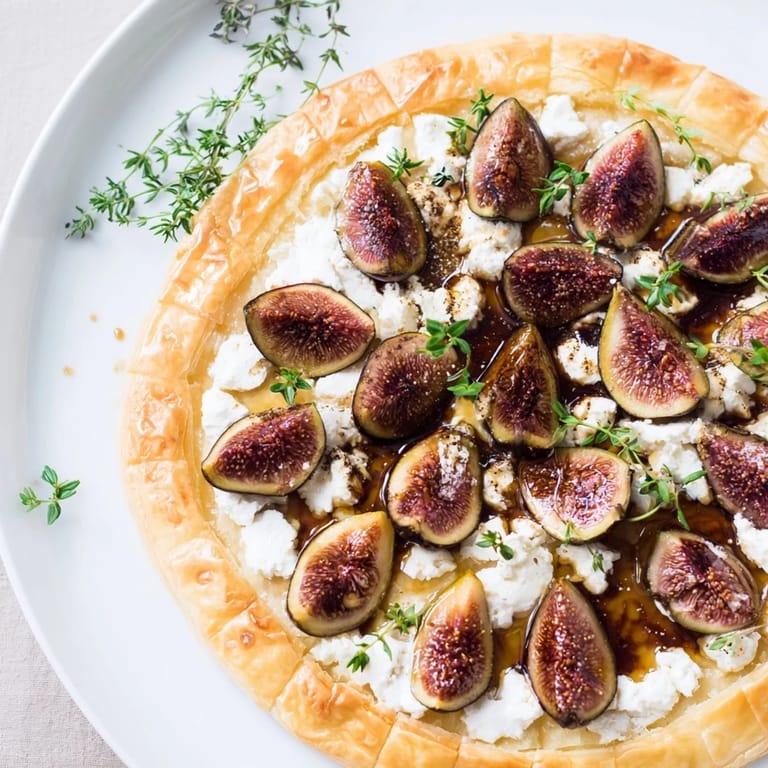
Save The first time I made this, I was stressed about impressing guests with something that looked sophisticated but wouldn't keep me trapped in the kitchen. I pulled a sheet of puff pastry from the freezer, remembered how my neighbor casually mentioned truffle oil like it was liquid gold, and decided to build something simple around that idea. Twenty minutes later, when those golden sheets came out of the oven with figs glistening and cheese melted into warm pockets, I realized I'd stumbled onto something that felt fancy but tasted like pure comfort.
I made this for a small dinner party on a cool autumn evening, and someone asked for the recipe before they'd even finished their first slice. That's when I knew it wasn't just good—it was the kind of dish people actually want to remake at home. The smell of truffle oil hitting warm pastry filled the whole apartment, and everyone kept drifting back to the kitchen asking if there was more.
Ingredients
- Puff Pastry Sheet (250 g): Thawed, not cold—cold pastry won't puff properly, and you want those layers to be visible and crispy.
- Fresh Figs (4–5 sliced): The sweetness here is essential; they balance the savory elements and release their own juices as they bake.
- Goat Cheese (120 g crumbled): The tanginess cuts through richness, and crumbling it by hand gives you better texture control than pre-crumbled versions.
- Truffle Oil (1 tbsp plus 1 tbsp): This is non-negotiable for the flavor profile; the aroma is half the experience.
- Honey (2 tbsp): Drizzle it while everything is still warm so it soaks into the cheese slightly—this makes a real difference.
- Fresh Thyme (1 tbsp optional): If you have it, use it; if not, the dish works beautifully without it.
- Olive Oil (1 tbsp): A light brush prevents the pastry from drying out while baking.
- Sea Salt and Black Pepper: Season in layers—a pinch before baking, another adjustment after—so flavors build naturally.
Tired of Takeout? 🥡
Get 10 meals you can make faster than delivery arrives. Seriously.
One email. No spam. Unsubscribe anytime.
Instructions
- Get Your Oven Ready:
- Set it to 200°C (400°F) and line a baking sheet with parchment paper. A hot oven is what creates that magical puff.
- Prepare the Pastry Base:
- Roll out your thawed puff pastry directly on the prepared sheet and score a 1 cm border around all edges—don't cut through completely, just enough so the border stays defined when it puffs. This border becomes your natural frame.
- Oil and Arrange:
- Brush the pastry lightly with olive oil everywhere except that border you just scored. The oil helps browning and prevents a dense, pale bottom.
- Layer the Figs and Cheese:
- Arrange your fig slices evenly, leaving space between them so they don't steam instead of caramelize. Scatter the crumbled goat cheese over and around the figs, and add thyme if using.
- First Truffle Drizzle:
- Use half your truffle oil here, drizzling in a light zigzag pattern. Season lightly with salt and pepper.
- Into the Oven:
- Bake for 18–20 minutes—you're watching for the pastry to puff up and turn golden brown around the edges. The border should be noticeably risen and crispy.
- The Final Touch:
- The moment it comes out, while everything is still hot and steaming slightly, drizzle the remaining truffle oil and the honey. This warmth makes them sink into the nooks and creates a glaze.
- Slice and Serve:
- Cut into squares or rectangles while still warm so the pastry doesn't shatter. Serve immediately.
 Save
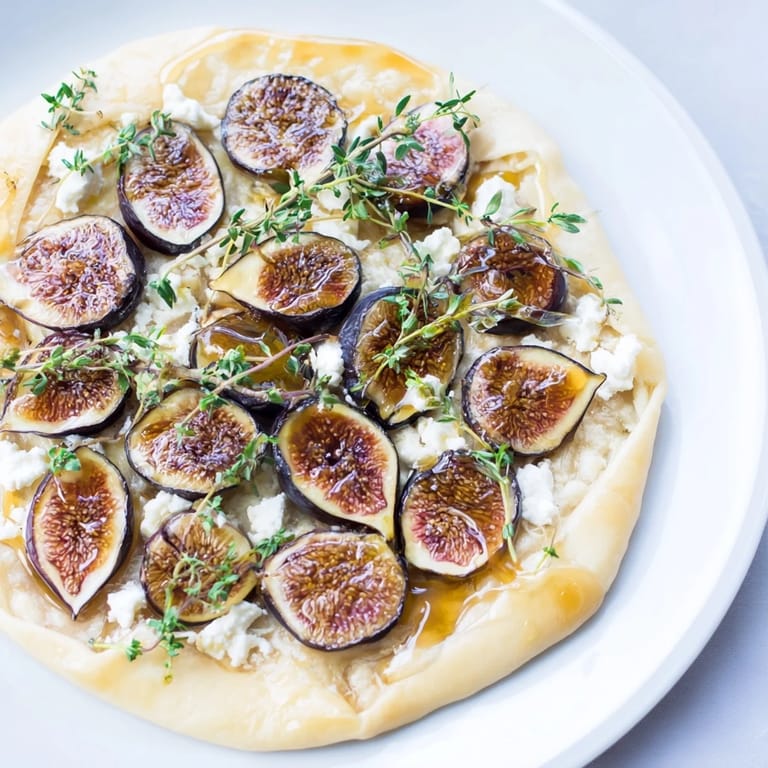
Save There was a moment when everyone went quiet mid-bite, and I realized this wasn't just about the ingredients—it was about how they found each other on that golden pastry. That's when food stops being practical and becomes a memory.
Why This Combination Works
The puff pastry is your vehicle for luxury—it's crispy, buttery, and dramatic without any real effort on your part. The figs bring natural sweetness and a slight chew that contrasts beautifully with the crunch. Goat cheese's tanginess is what saves this from being cloyingly sweet, and truffle oil is the whisper that makes people pause and ask what that incredible smell is. Honey seals the deal by adding shine and a gentle warmth that makes everything feel intentional and cohesive.
Timing and Temperature Matter
The biggest mistake I see people make is opening the oven too early or baking at a lower temperature trying to be gentle. That 200°C heat is exactly what causes the pastry to steam and rise dramatically, creating those shattered, crispy layers you're after. If your oven tends to run hot or cool, adjust by 10–15 degrees and keep an eye on browning after the 15-minute mark. Once it's golden, it's done.
Variations and Pairings
I've played with this in different seasons and moods. Summer calls for fresh raspberries instead of figs, or a drizzle of aged balsamic in place of honey. Winter is perfect for blue cheese swapped in for goat cheese, with candied walnuts scattered on top. The structure stays the same, but the personality shifts. Serve it with a crisp Sauvignon Blanc or sparkling wine to cut through the richness.
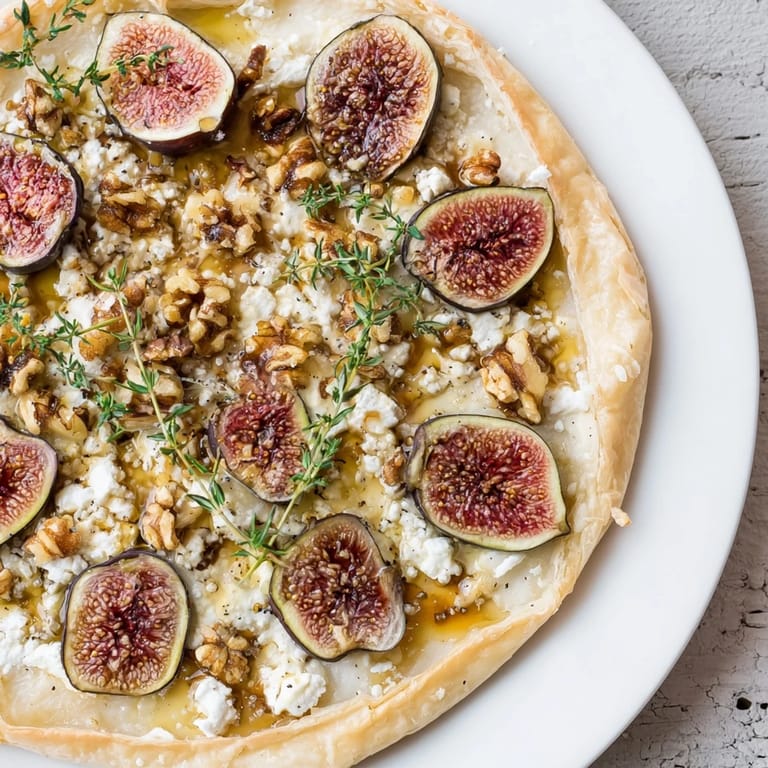
- For extra texture, scatter toasted walnuts or pine nuts over the cheese before baking.
- If figs aren't in season, ripe pears or prosciutto-wrapped dates work beautifully in their place.
- Make this ahead by assembling everything except the truffle oil drizzles, then bake fresh when you're ready to serve.
 Save
Save This recipe taught me that sometimes the most impressive dishes are just good ingredients meeting in the right way. It's become my default when I want to look like I've tried without actually spending the evening attached to the stove.
Recipe FAQs
- → What type of pastry is used for the base?
A sheet of thawed puff pastry provides a crisp, flaky foundation that complements the toppings perfectly.
- → Can I substitute goat cheese with another cheese?
Yes, blue cheese can be used for a stronger, bolder flavor if preferred.
- → How is the truffle oil incorporated?
Truffle oil is drizzled over the figs and cheese before baking and again after baking for a rich aroma.
- → Are fresh herbs necessary for the topping?
Fresh thyme leaves are optional but add a lovely subtle herbal note to the dish.
- → What is the recommended baking temperature and time?
The pastry should be baked at 200°C (400°F) for 18-20 minutes until golden and puffed.
- → Any suggestions for additional crunch?
A sprinkle of chopped walnuts before baking offers extra texture and nutty flavor.