 Save
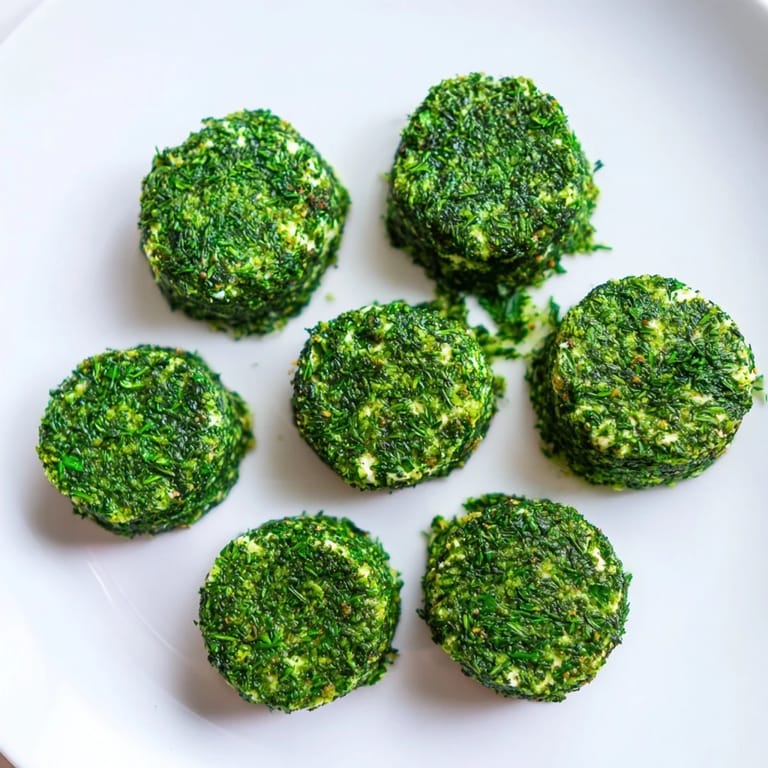
Save I discovered these little treasures at a farmer's market tucked between a flower stand and a honey vendor. The cheese maker had arranged them in a wooden box lined with moss, and I was instantly captivated by how the fresh herbs made each round look like something from an enchanted forest. When I asked about them, she laughed and said she'd invented them on a whim for her daughter's birthday party, and now she couldn't stop making them. That afternoon, I bought a batch and served them at a dinner party, watching my guests lean in to examine them before taking that first creamy bite.
Last spring, my neighbor stopped by with a basket of dill from her garden, and I suddenly had enough herbs to make something special. I rolled up a batch of these mossy stones and arranged them on a platter with edible pansies I'd grown on my windowsill. When she took one and closed her eyes while eating it, she said it tasted like someone had captured the smell of her garden and turned it into cheese. That moment reminded me why cooking for people matters—it's about sharing small pieces of joy.
Ingredients
- 12 small round fresh goat cheese medallions (about 25–30 g each): Look for creamy, tangy goat cheese in rounds at your grocery store or cheese counter; they should be soft enough to roll gently without crumbling.
- 1/2 cup fresh parsley, finely chopped: The backbone of your herb coating, offering a mild earthiness that lets the cheese shine without overpowering.
- 1/2 cup fresh dill, finely chopped: This is where the magic happens—dill brings that bright, slightly licorice-forward flavor that makes people pause and ask what you did.
- 1 tablespoon fresh chives, finely chopped (optional): A subtle onion note that adds complexity if you want a bit more depth.
- Edible flowers or microgreens, for serving: These aren't just for looks; they complete the woodland story and add a delicate, living quality to your platter.
Tired of Takeout? 🥡
Get 10 meals you can make faster than delivery arrives. Seriously.
One email. No spam. Unsubscribe anytime.
Instructions
- Combine your herbs:
- Pour the chopped parsley, dill, and chives into a shallow bowl and give them a gentle stir. You'll notice the herbs release their fragrance as you mix—that's your signal they're ready.
- Roll each cheese in the herb mixture:
- Take a goat cheese medallion and place it in the bowl, then gently roll it around, pressing lightly so the herbs cling to every side without making it fall apart. The cheese should look completely mossy and green when you're finished.
- Arrange with intention:
- Nestle each coated cheese round onto your serving platter, leaving small gaps where you can tuck in edible flowers or microgreens to complete the enchanted forest effect.
- Chill or serve:
- You can serve these immediately while they're cool and creamy, or cover and refrigerate for up to 2 hours if you're prepping ahead. Either way, the cold brings out the cheese's tanginess.
 Save
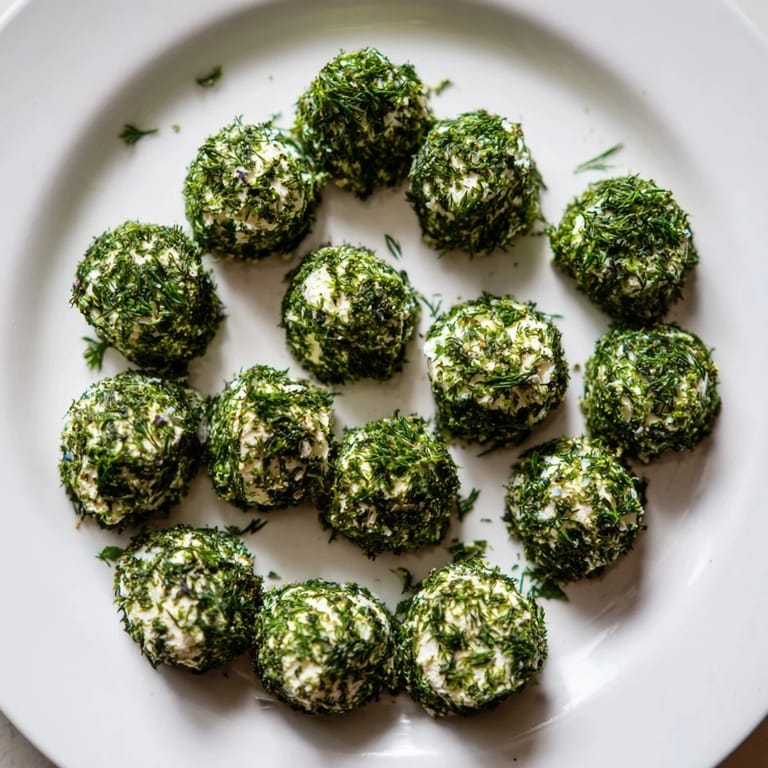
Save My cousin brought her kids to a garden party where I'd served these, and they spent the whole afternoon asking if the cheeses were real or if I'd somehow made edible rocks. One of them carefully arranged the ones on their plate in a circle and declared it a fairy table, which made me realize these appetizers had crossed from clever to genuinely magical in a child's imagination. It reminded me that food doesn't just nourish—sometimes it opens doors to wonder.
Why Goat Cheese Is Perfect for This
Goat cheese has this natural tang and creamy texture that pushes back against rich, heavy flavors. When you coat it with bright fresh herbs, the combination feels light and summery, not cloying. I've tried this with cream cheese and bocconcini, and they're nice, but something about goat cheese makes the whole thing sing—the cheese itself seems to want those green herbs wrapped around it.
The Herb Coating as Your Canvas
The beauty of this recipe is that the herbs are where you get to improvise. I've added a pinch of lemon zest to brighten things up, experimented with tarragon when I had it on hand, and once even mixed in a tiny bit of fresh mint for someone who loved herbaceous flavors. Each version looked slightly different, tasted distinctly its own way, and everyone understood instantly that these were made with care.
Serving and Pairing
These little rounds belong on a platter with crackers, crusty bread, and maybe some raw vegetables for people who want something to carry them on. A crisp Sauvignon Blanc is your perfect partner—the wine's acidity plays beautifully with the tangy cheese and fresh herbs. One last thing to remember: always taste your herbs before you use them, because sometimes dill that's been sitting too long tastes more like hay than garden.
- Arrange your platter a few hours early if you like, but wait until just before guests arrive to add the edible flowers so they stay fresh and vibrant.
- If you need to transport these, a shallow container with parchment between layers will keep them looking perfect.
- These are best served cold, so pull them out of the fridge just before opening the door to your guests.
 Save
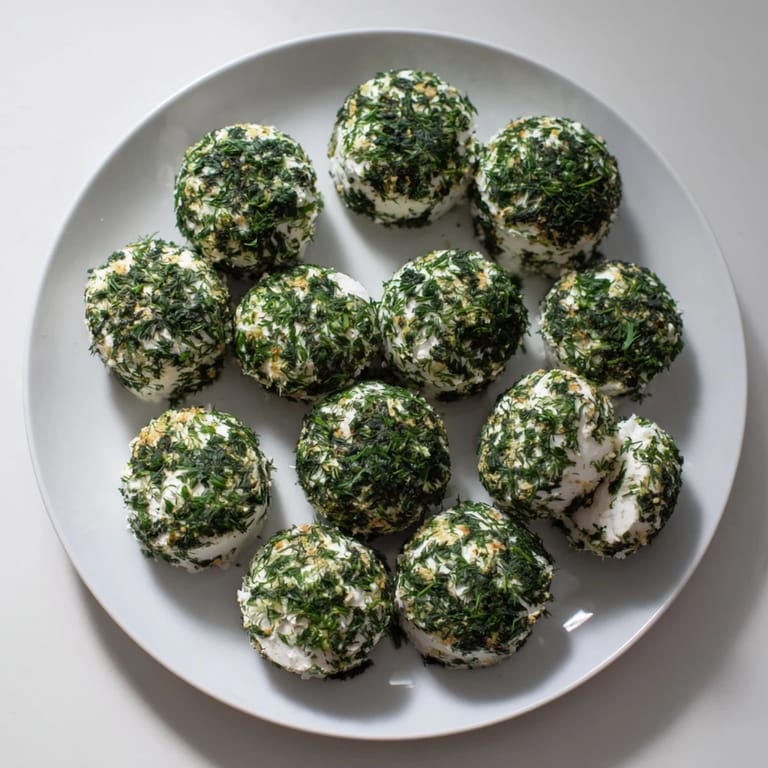
Save These mossy stones have become my go-to when I want to bring something homemade that feels special without spending hours in the kitchen. They're proof that the most magical things sometimes come from the simplest combinations.
Recipe FAQs
- → What type of cheese is best for these herb-coated bites?
Fresh goat cheese medallions work best due to their creamy texture and mild flavor, but cream cheese or baby bocconcini can be good substitutes.
- → How do I prepare the herb coating evenly?
Chop parsley, dill, and chives finely and roll each cheese piece gently but firmly in the mixture to cover all sides evenly.
- → Can these be made ahead of time?
Yes, they can be prepared and refrigerated for up to 2 hours before serving to maintain freshness.
- → What pairings complement these cheese bites?
Serve with crusty bread, crackers, or raw veggies, and enjoy alongside crisp white wines like Sauvignon Blanc for a balanced flavor.
- → Are there any common allergens to be aware of?
These bites contain milk from goat cheese and may have trace nuts if the cheese is processed in facilities handling nuts. Always check packaging.