 Save
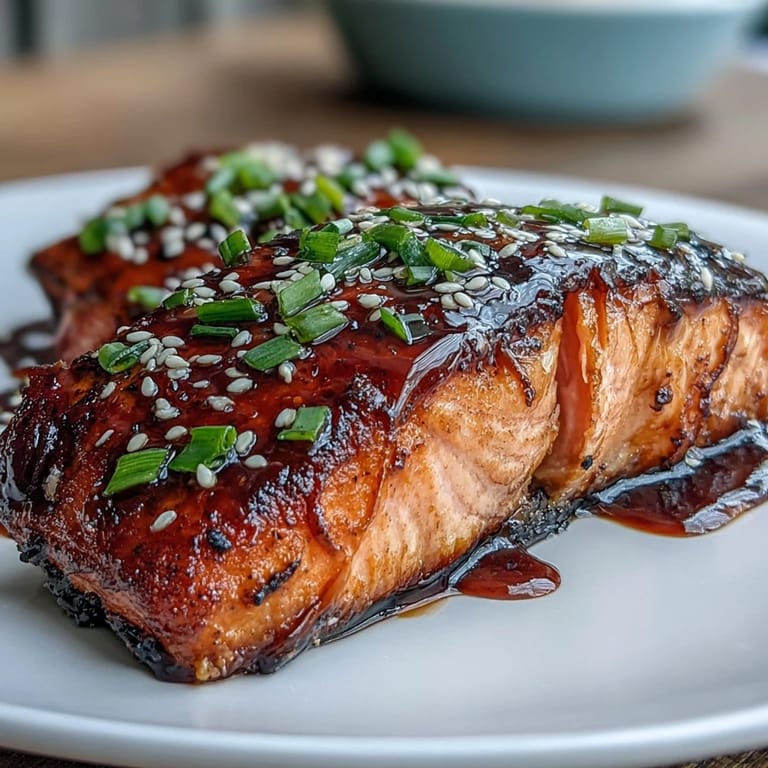
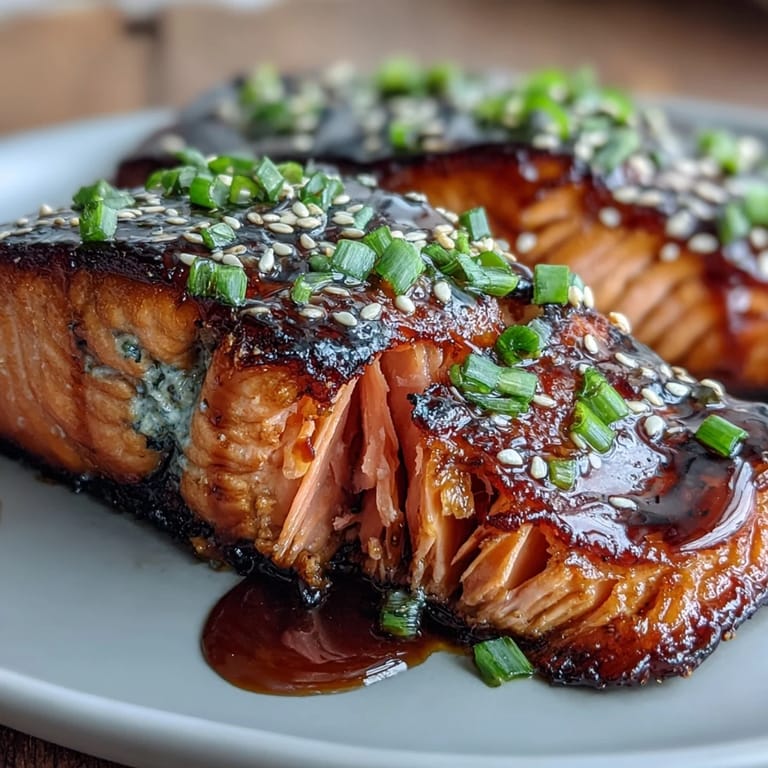
Save My weeknight breakthrough came on a Tuesday when I had salmon thawing, jasmine rice in the pantry, and exactly twenty minutes before hunger struck. I'd been craving something with that perfect sweet-savory balance, so I grabbed maple syrup and soy sauce almost on instinct, whisked them together with ginger and lime, and watched as those humble ingredients transformed into this glossy, caramelized coating that made my kitchen smell like a restaurant I couldn't quite afford. The salmon practically cooked itself, and suddenly I had a meal that felt impressive enough to serve guests but simple enough to make on a random Tuesday night.
I made this for my parents last month, and my mom kept asking what was in the glaze because she couldn't believe something so restaurant-quality came from my kitchen in under half an hour. My dad, who's skeptical about any seafood that isn't fried, asked for seconds and actually made eye contact while eating, which is his highest compliment. Watching them enjoy it felt like the small victory it was.
Ingredients
- Salmon fillets (4 fillets, about 150g each): Skin-on holds the fish together beautifully and crisps up if you sear it properly, but skinless works fine if that's what you have.
- Pure maple syrup (3 tbsp): The real stuff matters here because it caramelizes differently than the pancake syrup imposters.
- Low-sodium soy sauce (3 tbsp): Low-sodium gives you control over saltiness rather than an overly aggressive final dish.
- Rice vinegar (1 tbsp): This adds brightness that regular vinegar would overshoot, cutting through the richness without screaming.
- Fresh lime juice (1 tbsp): Squeeze it yourself if you can; bottled juice tastes noticeably different by the end of cooking.
- Sesame oil (1 tsp): A small amount goes a long way, adding nuttiness that makes people ask what the secret ingredient is.
- Garlic and ginger (2 cloves and 1 tsp grated): Fresh ginger is non-negotiable; the powdered version won't give you that same brightness.
- Jasmine or basmati rice (1 cup): Jasmine rice is slightly more fragrant and fluffy, but either one absorbs the glaze beautifully when spooned over.
- Broccoli, snap peas, and red bell pepper (3 cups total): The colors matter here because you're eating with your eyes first, and the crispness matters because soft vegetables feel wrong against that glossy fish.
- Green onions and sesame seeds (for garnish): These aren't decorative afterthoughts; they add texture and a subtle onion bite that finishes the whole thing.
Tired of Takeout? 🥡
Get 10 meals you can make faster than delivery arrives. Seriously.
One email. No spam. Unsubscribe anytime.
Instructions
- Prepare your rice foundation:
- Rinse the rice under cold water until the water runs mostly clear, which removes excess starch and helps each grain stay separate. Combine rinsed rice with 2 cups water in a medium saucepan, bring to a boil, then reduce heat, cover tightly, and simmer for 12 minutes until the water is absorbed, then let it sit covered for 5 minutes off heat so it finishes steaming gently.
- Whisk your glaze into existence:
- In a small bowl, combine maple syrup, soy sauce, rice vinegar, lime juice, and sesame oil, then add minced garlic and freshly grated ginger, whisking until it looks like a glossy amber sauce. Taste it now while it's raw—it should taste bold and balanced, sweet but not cloying, with a hint of heat from the ginger.
- Season the salmon simply:
- Pat your salmon fillets dry with a paper towel and sprinkle lightly with salt and black pepper on both sides, letting them sit for a minute so the seasoning adheres.
- Sear your salmon with confidence:
- Heat 1 tbsp vegetable oil in a large nonstick skillet over medium-high heat until it shimmers, then carefully place salmon fillets skin-side down if they have skin, and don't move them for the first 3 minutes—this creates a golden exterior that holds together. You'll hear a gentle sizzle and smell that toasted fish aroma that means everything's working right.
- Glaze and finish the fish:
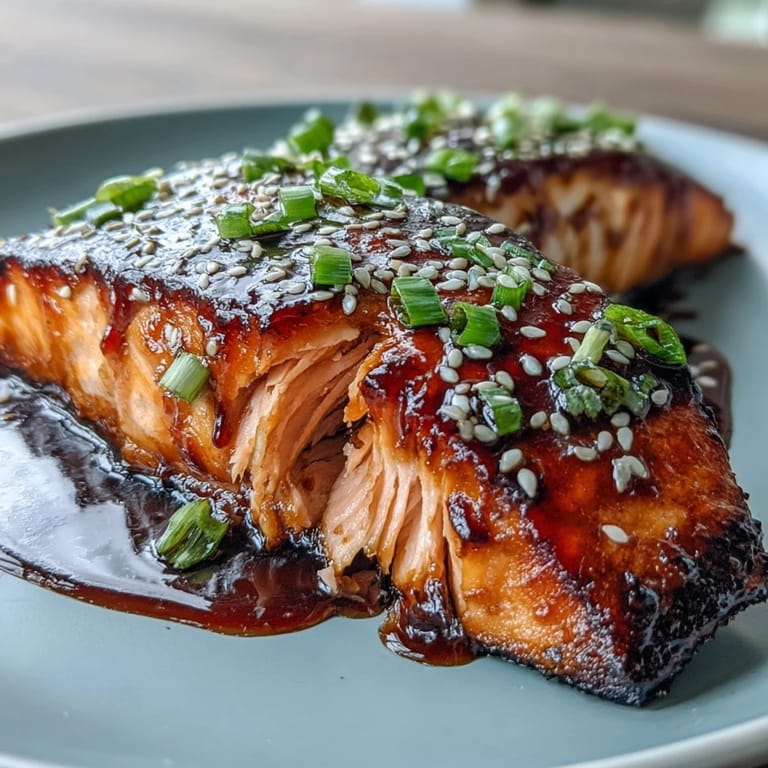
- Flip the salmon, immediately pour your glaze over the fillets, and reduce heat slightly to medium, then spoon the glaze continuously over the salmon for another 3 to 4 minutes, watching as it darkens and thickens into a sticky coating. The salmon is done when it flakes easily with a fork and looks opaque inside—overcooked salmon tastes dry, so pull it off heat when it's just cooked through.
- Prepare vegetables while salmon cooks:
- While the fish finishes, heat a steamer basket over simmering water or use another skillet with a touch of oil to quickly cook broccoli florets, snap peas, and red bell pepper slices for about 3 to 4 minutes until they're bright, crisp-tender, not limp. Season them with a pinch of salt and they're ready to go.
- Assemble and serve:
- Divide fluffy rice among four bowls, top each with a portion of vegetables, then place a glazed salmon fillet on top, and spoon any remaining glaze from the pan over everything. Scatter green onions and toasted sesame seeds across the top, add a lime wedge for squeezing, and serve immediately while everything's still warm and the glaze is still glossy.
 Save
Save The real magic happened when my partner took a bite and closed their eyes, which is what people do when something tastes better than they expected it to. That moment when food becomes more than fuel, when it's suddenly evidence that you put care and attention into something for another person—that's why I keep coming back to this recipe.
The Science of That Perfect Glaze
Maple syrup and soy sauce together create this beautiful chemical reaction when heated, where the sugars caramelize and the umami from the soy deepens, creating layers of flavor that neither ingredient alone could achieve. The ginger and garlic add brightness and bite that prevents the whole thing from tasting one-dimensional, while the rice vinegar and lime juice keep it from becoming cloyingly sweet. It's why this glaze tastes so much more sophisticated than the sum of its simple parts.
Timing Is Everything Here
The beauty of this recipe is that everything finishes within a few minutes of each other if you organize yourself before you start cooking—what restaurant people call mise en place. I prep my garlic and ginger, measure out my glaze ingredients, and have my vegetables trimmed and ready before any heat goes on, which means I'm not scrambling while the salmon cooks. Once the rice is simmering and covered, you only have about 8 minutes of active cooking, and most of that is just standing there spooning glaze over fish, which feels meditative rather than stressful.
Customizing Without Losing the Magic
This recipe is flexible enough to work with what's in your kitchen, but some swaps matter more than others, and I've learned which ones through happy accidents and disappointing experiments. You can substitute honey for maple syrup if that's what you have, though it caramelizes slightly differently and tastes less complex, or add a pinch of red pepper flakes if you want heat, or swap in any quick-cooking vegetables you prefer. Just remember that you're balancing sweetness, saltiness, and brightness, so if you change one element significantly, taste as you go and adjust accordingly.
- Asparagus or thin carrots work beautifully if you steam them the same way, finishing in 3 to 4 minutes.
- If you can't find rice vinegar, use white wine vinegar at half the amount because it's more aggressive.
- Freshly grated ginger is genuinely important here, but if you only have powdered, use 1/4 tsp and understand it'll taste slightly different.
 Save
Save This dish proves that impressive food doesn't require hours or complicated techniques—sometimes it just takes good ingredients, respect for the cooking process, and about twenty minutes of your attention. I hope it becomes your go-to meal when you want to feel like you're cooking at a restaurant, but you're really just cooking at home.
Recipe FAQs
- → Can I use frozen salmon fillets?
Yes, thaw frozen salmon completely in the refrigerator before cooking. Pat dry thoroughly with paper towels to remove excess moisture, which helps achieve better searing and glaze adhesion.
- → What vegetables work best with this dish?
Broccoli, snap peas, and red bell pepper provide excellent crunch and color. Asparagus, carrots, snow peas, or bok choy also complement the maple soy flavors beautifully while maintaining quick cooking times.
- → Can I make the glaze ahead of time?
Absolutely. Whisk together all glaze ingredients and store in an airtight container in the refrigerator for up to 3 days. Bring to room temperature before using for even coating.
- → How do I know when salmon is cooked properly?
Salmon is done when the flesh turns opaque and flakes easily with a fork. The internal temperature should reach 145°F (63°C). Be careful not to overcook, as the fish will continue cooking slightly after removing from heat.
- → Is this suitable for meal prep?
This dish reheats beautifully. Store components separately in airtight containers for up to 3 days. Reheat salmon gently in the microwave or oven to maintain moisture. Vegetables and rice reheat well on the stovetop.
- → Can I grill instead of pan-sear?
Certainly. Grill salmon skin-side down over medium-high heat for 4-5 minutes, flip, brush with glaze, and grill another 2-3 minutes. The glaze may caramelize faster on the grill, so watch closely to prevent burning.