 Save
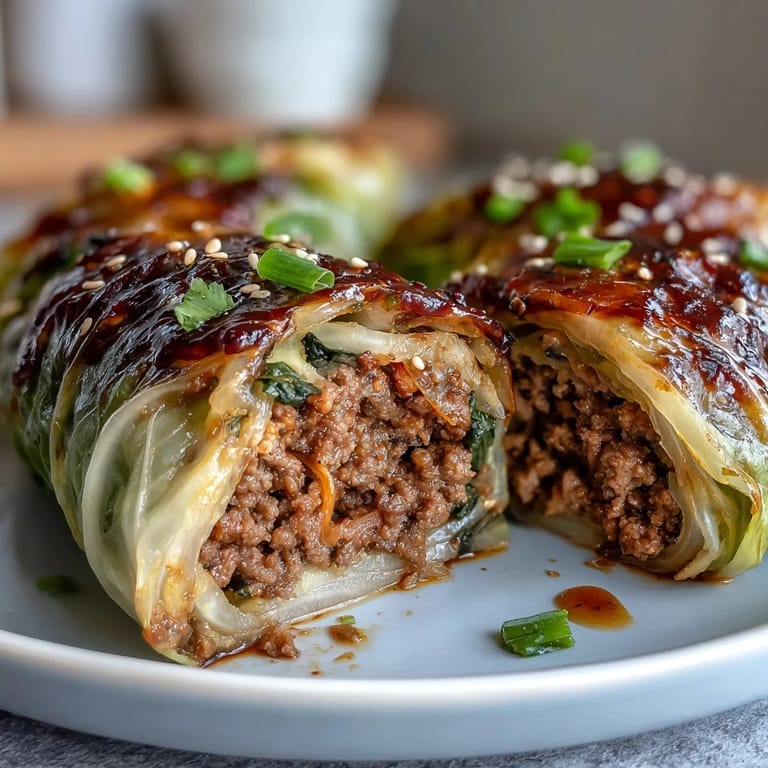
Save One wintry Saturday, I found myself at the market staring longingly at the gleaming leaves of Napa cabbage, wondering how they might fare tucked around a punchy, fragrant filling. The steam in my tiny kitchen mixed with the spicy aroma of gochujang, waking up the quiet afternoon. Even my neighbor, passing by in the hallway, paused to ask what on earth I was cooking. The whole experience felt experimental, a little daring, and a welcome break from routine. By dinnertime, the kitchen was cozy, and the results were anything but ordinary.
One evening, I made these cabbage rolls for a friend who arrived hungry and jetlagged from Seoul. We laughed about my first attempts to properly roll the leaves—her advice (‘tighter, tighter!’) rings in my ears every time. That night, we sat at my creaky table, dipping roll after roll in sauce, nearly forgetting the snow outside. The shared warmth and little messes made them taste even better. Now, whenever I steam up a batch, I think of that fizzy, giddy energy in the kitchen and how these rolls made it to my regular dinner rotation.
Ingredients
- Napa cabbage: The leaves are supple and sweet, perfect for rolling, and I always pick the largest head I can find for an easier time with wrapping.
- Ground beef: Juicy and hearty, it absorbs the marinade—if you like, swap for ground turkey or pork for a lighter twist.
- Green onions: These give a sharp lift; slice them thin for better mixing throughout the filling.
- Garlic: The backbone of so many savory Korean dishes, minced garlic can’t be skipped—fresh always beats pre-minced.
- Carrot: Adds gentle sweetness and colors the filling beautifully; don’t fret if your grating isn’t perfect.
- Fresh ginger: Bright, spicy, and utterly necessary; grate it finely for even flavor.
- Gochujang (Korean chili paste): The soul of the seasoning—start conservatively if you’re new to its fire.
- Soy sauce: Brings salty depth, so measure with care or taste as you go (I sometimes sneak in an extra splash).
- Sesame oil: Nutty and fragrant, a staple in my kitchen, and a little goes a long way.
- Sugar: Just enough to balance the spice; I use regular granulated but honey works too.
- Black pepper: Adds background warmth—freshly ground makes a difference.
- Toasted sesame seeds: Scatter these in the filling and on top for crunch and flavor.
- For the Dipping Sauce – Soy sauce: The main body of the sauce—pick a good quality one if you can.
- Rice vinegar: Cuts through the richness—adjust to your taste.
- Gochugaru (Korean chili flakes): For a gentle heat and brilliant color; easy to leave out for a milder dip.
- Sesame oil: Adds that signature toasty, nutty whiff to the sauce.
- Honey: Just a touch rounds out the sauce; maple syrup also works in a pinch.
- Garlic: It goes into both filling and sauce for double impact; mince finely for the dip.
- Toasted sesame seeds: Extra crunch in the sauce and a hint of nuttiness I now can’t imagine leaving out.
Tired of Takeout? 🥡
Get 10 meals you can make faster than delivery arrives. Seriously.
One email. No spam. Unsubscribe anytime.
Instructions
- Prep and blanch the cabbage:
- Bring a large pot of water to a rolling boil and separate the cabbage leaves, blanching each one just until soft and pliable. Run them under cold water and lay them out on a towel—it’s oddly satisfying, like lining up green silk handkerchiefs.
- Mix up the filling:
- Get your hands in there: ground beef, finely chopped green onions, fragrant garlic, bright carrot, ginger, gochujang, soy sauce, sesame oil, a sprinkle of sugar, pepper, and sesame seeds. Mixing by hand is best—feel when it comes together, sticky and vibrant.
- Stuff and roll the leaves:
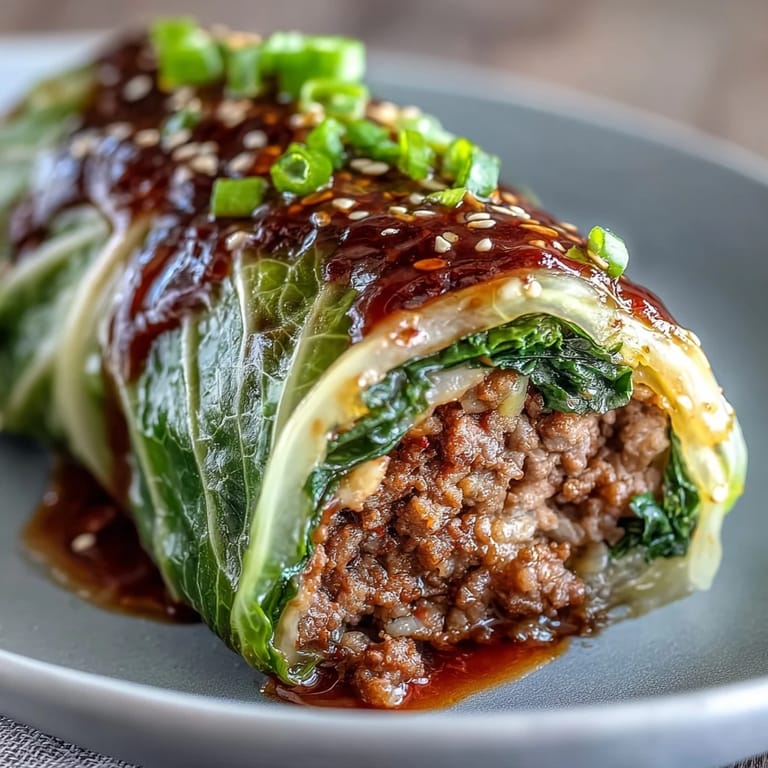
- Take a cabbage leaf, smooth it out, and place a generous spoonful of filling at the base. Fold in the sides, then roll up tightly—the trick is to imagine wrapping up a little present, keeping all the goodness tucked inside.
- Steam the cabbage rolls:
- Arrange them cozy and seam-side down in the steamer basket. Steam over simmering water; the air will fill with savory, toasty notes and after 15–20 minutes, the filling will be perfectly tender.
- Whisk up the dipping sauce:
- While waiting, combine soy sauce, rice vinegar, gochugaru, sesame oil, honey, garlic, and sesame seeds in a little bowl—give it a good stir and let the flavors mingle.
- Serve and enjoy:
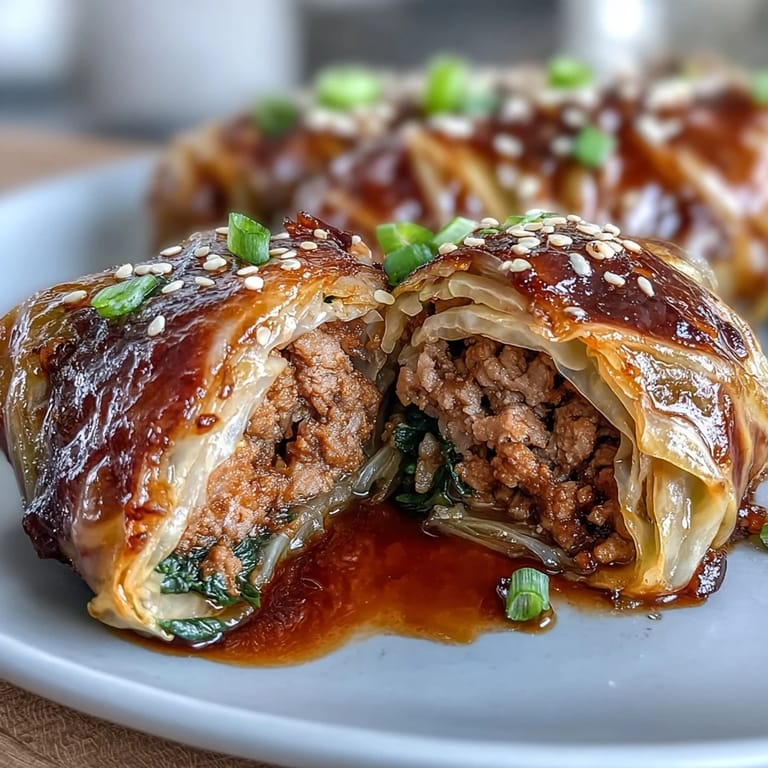
- Set the hot rolls on a platter beside small bowls of dipping sauce. Every bite has a crunch, a little spice, and a savory heart—best enjoyed with friends, directly from the steamer.
 Save
Save 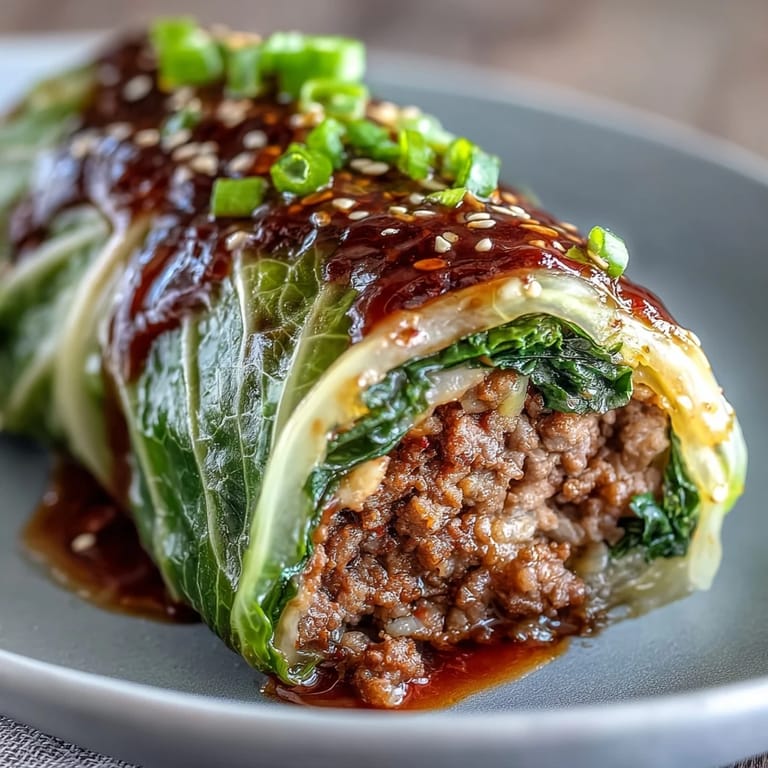 Save
Save There was a night when the table filled up with laughter, chopsticks clicking, and the last roll was generously split in two so everyone got their final spicy bite. That’s when these rolls stopped being just a recipe and became a reason to gather, no matter how small my apartment or how ordinary the weeknight.
Troubleshooting Tricky Rolls
The first time I made these, my rolls kept unfurling in the steamer like mischievous little scrolls. If your leaves aren’t soft enough or the filling is overpacked, disaster strikes—so take your time with prep, and don’t be afraid to practice rolling on a test leaf or two.
Switch It Up for Your Taste
If I'm out of ground beef, I’ve tried pork and turkey, both work well for lighter or richer versions. Swapping out the veggies in the filling can keep things seasonal—zucchini or shiitake mushroom bring a nice twist, and dialing the heat up or down makes the dish perfectly yours.
Dipping Sauce Deserves Attention
The dipping sauce pulls it all together—don’t rush it. Taste before serving: sometimes I add more vinegar or a pinch of sugar for balance. If you like, toss in a few chopped chives for color and a subtle bite.
- If you prefer less spice, halve the gochugaru.
- Always serve the sauce in shallow bowls for easy dipping.
- Don't forget to toast your sesame seeds just before adding—they’re magical while warm.
 Save
Save 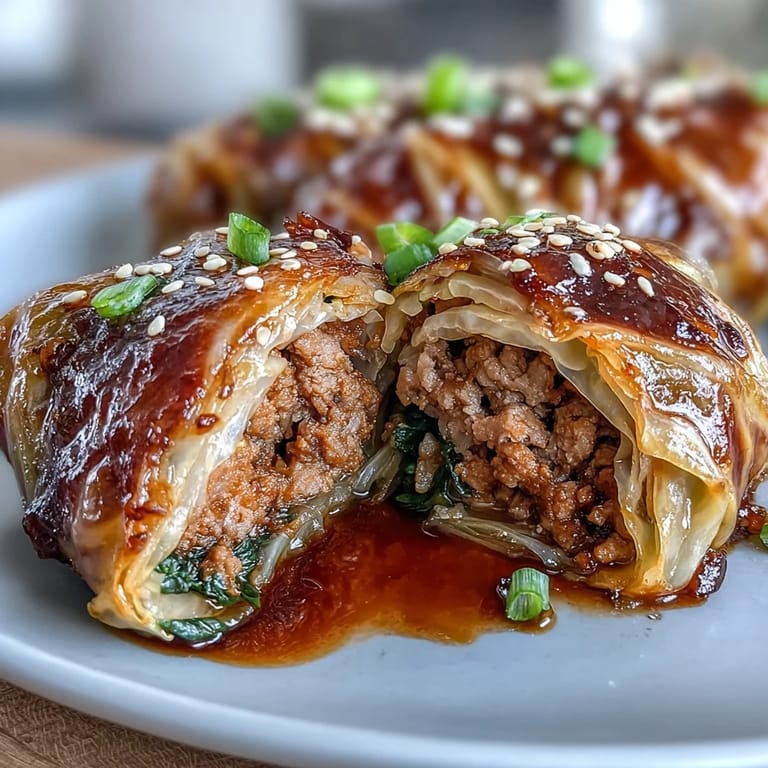 Save
Save Every time you steam up these rolls, I hope you find little surprises in the folds and flavors, just like I still do. They’re best served with plenty of laughter and extra dipping sauce on the side.
Recipe FAQs
- → Can I use regular cabbage instead of Napa?
Yes — remove the core and blanch regular cabbage a bit longer to soften. Trim the thick rib on each leaf or score it gently so leaves roll more easily.
- → How can I reduce the spiciness?
Reduce gochujang and gochugaru amounts, add a touch more honey or sugar to the filling, or increase grated carrot and scallions to balance heat.
- → What’s the best way to steam the rolls?
Arrange rolls seam-side down in a steamer basket over simmering (not rolling) water, cover tightly, and steam 15–20 minutes. Check one roll to confirm the meat is cooked.
- → Can these be made ahead of time?
Assemble and refrigerate for up to 24 hours, then steam before serving. Cooked leftovers keep 2–3 days; reheat gently in a steamer or covered skillet to retain moisture.
- → What are good substitutions for ground beef?
Ground pork, turkey, or a plant-based mince work well. Adjust seasoning—leaner meats may need a touch more oil or soy for richness.
- → How do I prevent soggy rolls?
Thoroughly pat blanched leaves dry, avoid overfilling, and steam over a gentle simmer. Let rolls rest briefly after steaming so excess juices settle.