 Save
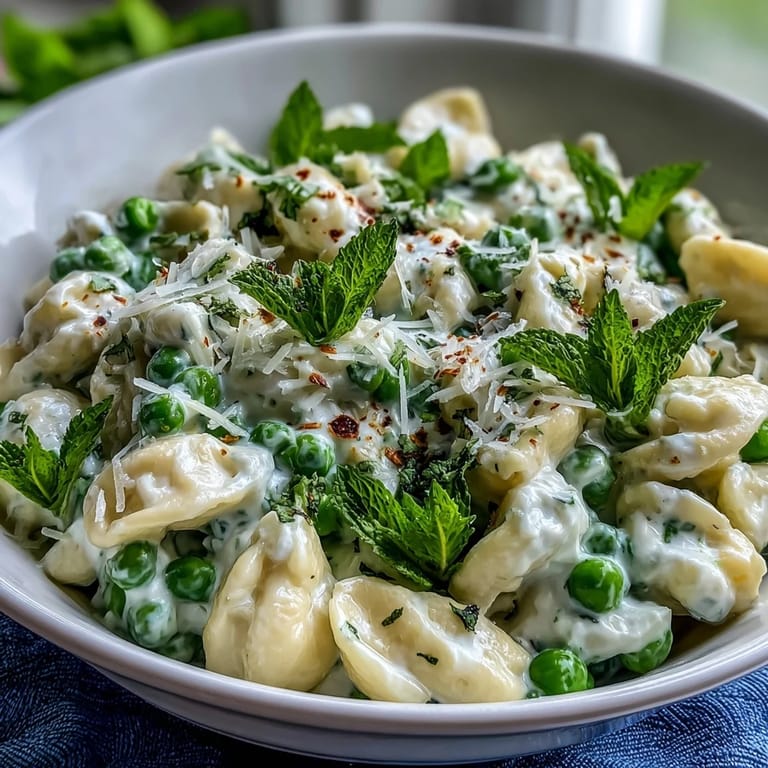
Save My neighbor threw together this pasta on a random Tuesday afternoon, and the smell of mint hitting the hot pan stopped me mid-conversation. What struck me most wasn't the fancy ingredients—it was how something so simple felt completely alive. The peas stayed bright green, the ricotta melted into this luxurious sauce without any cream, and somehow mint made everything taste like spring, even though it was barely April. I went home that night and made it three times in a week.
I made this for my friend who had just moved into her first apartment with nothing but mismatched cookware and serious food ambitions. Watching her taste it, her whole face changed—she started laughing because she couldn't believe she'd made something this good. That's when I realized this dish isn't about impressing people with technique; it's about the small joy of discovering you can make something genuinely delicious with just a pan and good ingredients.
Ingredients
- Short pasta (350 g): Penne, fusilli, or orecchiette work beautifully here because their shapes catch the ricotta sauce instead of letting it slide off—the texture matters more than you'd think.
- Fresh or frozen peas (250 g): Frozen peas are actually your secret weapon; they're picked at peak ripeness and stay bright, so don't feel bad about skipping the farmer's market version.
- Garlic (2 cloves): Finely chopped and cooked just until fragrant—this is where patience pays off, because burnt garlic ruins the whole delicate spring vibe.
- Lemon zest (1 unwaxed lemon): This tiny bit of brightness is what makes people ask you what's in this, so don't skip it or use bottled juice as a substitute.
- Ricotta cheese (250 g): Room temperature ricotta blends into the pasta water more smoothly than cold ricotta, so pull it out of the fridge while you're cooking.
- Parmesan cheese (50 g): Freshly grated tastes completely different from pre-shredded, and since this sauce is so simple, that difference actually matters.
- Fresh mint (1 small bunch): Finely chop it just before using so it doesn't bruise and lose that bright, grassy flavor that makes this dish sing.
- Extra-virgin olive oil (2 tbsp): Good olive oil isn't optional here—it's one of five key flavors, so use something you actually love.
- Salt and black pepper: Taste as you go because the pasta water, ricotta, and cheese all contribute saltiness in different amounts.
Tired of Takeout? 🥡
Get 10 meals you can make faster than delivery arrives. Seriously.
One email. No spam. Unsubscribe anytime.
Instructions
- Set up your pasta water:
- Bring a large pot of generously salted water to a rolling boil—the water should taste like the sea. This is your only seasoning layer for the pasta itself, so don't be shy with the salt.
- Cook the pasta:
- Add pasta and cook until just al dente, which means it has a tiny bit of resistance when you bite it. Reserve a full cup of the starchy cooking water before you drain, because this liquid gold is what turns everything creamy.
- Toast the garlic gently:
- Heat olive oil in a large pan over medium heat and add finely chopped garlic, listening for it to become fragrant after about one minute—this is the exact moment before it starts to brown and turn bitter. You want to smell that sweet, mellow garlic aroma filling your kitchen.
- Cook the peas:
- Add peas to the pan and let them warm through for 2–3 minutes, stirring occasionally so they stay bright rather than fading to drab. If they're frozen, give them a minute longer to fully thaw and become tender.
- Bring it all together:
- Add the hot drained pasta to the pan with peas and toss everything together so the heat starts warming through the ricotta you're about to add. This is the fun part—watching everything come alive on the heat.
- Make the sauce:
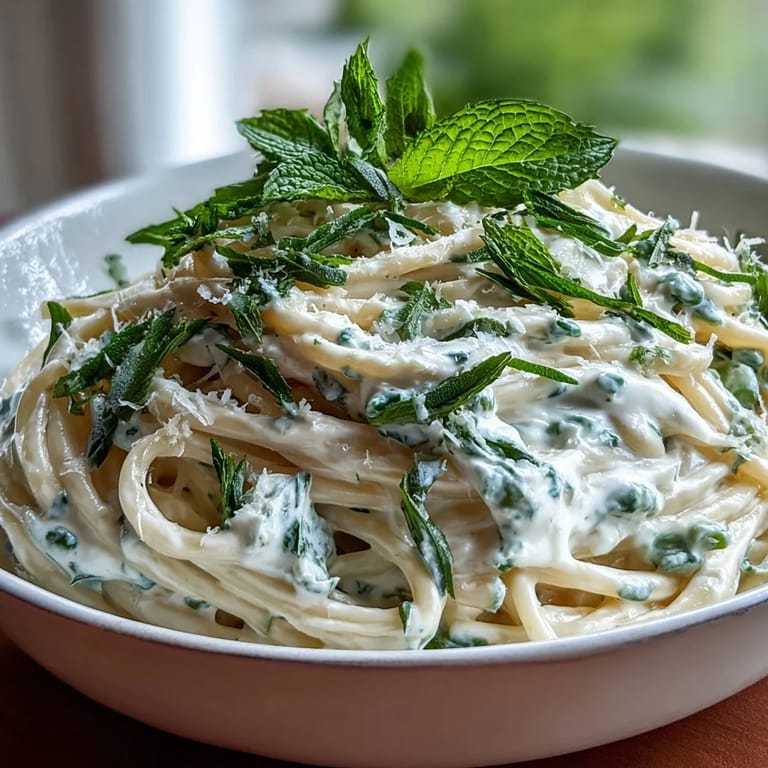
- Remove the pan from heat and stir in room-temperature ricotta, lemon zest, Parmesan, and about half your mint. The ricotta won't fully melt into a traditional sauce, and that's exactly right—you want creamy ribbons of cheese coating each piece of pasta, not a smooth coating.
- Adjust the texture:
- Add reserved pasta water a splash at a time until the mixture looks silky and loose rather than clumpy. The sauce should flow gently when you move the pan, because it'll firm up slightly as it cools on the plate.
- Season and serve:
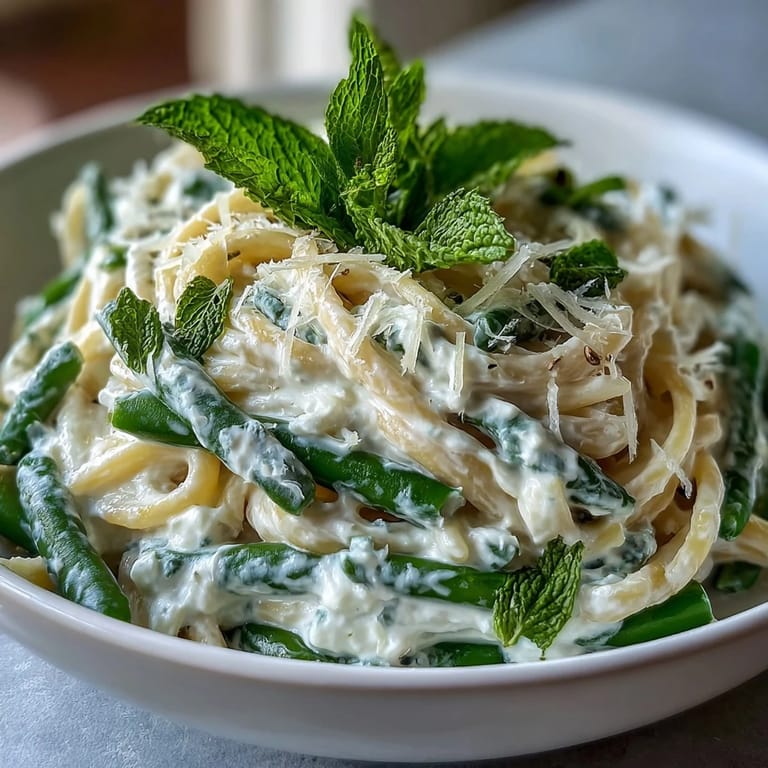
- Taste for salt and add plenty of black pepper—this is where the dish gets its finishing punch. Divide among plates and finish with remaining fresh mint and extra Parmesan so each bowl gets that green leaf and sharp cheese bite.
 Save
Save My daughter, who usually pushes pasta around her plate, asked for seconds and then wanted to know why we don't make this every week. It made me realize that sometimes the dishes people actually remember aren't the complicated ones—they're the ones where every single ingredient tastes like itself, brighter and better together than apart.
Why This Works as Spring Cooking
There's something about the combination of peas, mint, and fresh lemon that tastes like the season itself. Peas are one of the first things to arrive at the market in spring, and mint grows like crazy once the weather warms up, so this dish feels natural and abundant rather than forced. The brightness cuts through any heaviness you might feel after winter, and you can eat a full plate without that stuffed feeling that cream-based pastas give you.
How to Adapt This When Life Happens
The beauty of this dish is that it's flexible enough to work with what you actually have in your kitchen. No fresh mint? Parsley works beautifully, or even a tiny bit of fresh basil if that's what's growing on your windowsill. Don't have lemon? A splash of white wine or a small pinch of lemon zest substitute brings that brightness. And the add-ins mentioned in the original notes aren't just suggestions—they're invitations to make it your own.
Making This Ahead and Storage
This pasta is genuinely better eaten right after you make it, while the mint is still snappy and the ricotta hasn't fully set up. That said, leftovers keep in the fridge for three days in an airtight container, though you'll need to loosen the sauce with a splash of water or milk when you reheat gently on the stove. For meal prep purposes, store the pasta separate from any extra sauce or toppings so everything stays fresh and doesn't get soggy.
- Reheating gently on the stovetop with a splash of water keeps the sauce smooth and silky rather than grainy.
- Make the sauce components ahead but don't combine everything until right before serving to preserve texture and flavor.
- Double the recipe without hesitation—it scales up beautifully for four people or eight.
 Save
Save This is the kind of dish that reminds you why you cook in the first place—not because you have to, but because something simple made with care tastes better than anything else ever could. Make it on a Tuesday afternoon and watch what happens.
Recipe FAQs
- → How do I achieve a creamy sauce without cream?
Using reserved pasta water with ricotta helps create a silky coating that binds the ingredients without adding heavy cream.
- → Can I use frozen peas for this dish?
Yes, frozen peas work well; just cook them slightly longer until tender and bright green.
- → What type of pasta pairs best here?
Short pasta shapes like penne, fusilli, or orecchiette hold the sauce and peas nicely.
- → How fresh should the mint be?
Fresh mint leaves are recommended for the best aroma and flavor; finely chop them before adding.
- → Can I add other greens to this dish?
A handful of baby spinach or arugula can be added with the peas for extra freshness and texture.