 Save
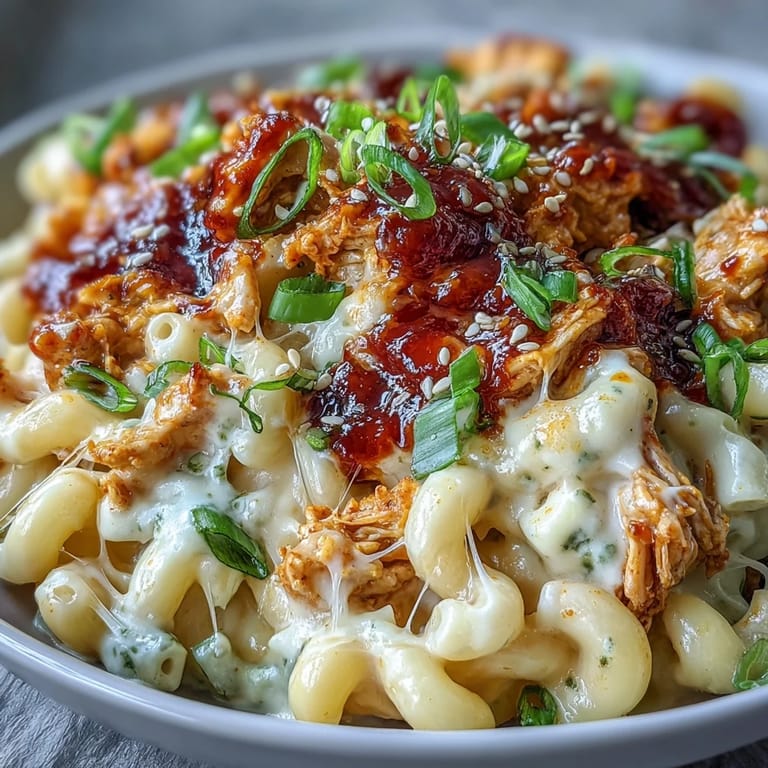
Save My friend texted me a photo of her Korean takeout one Thursday evening, and I stared at that spicy gochujang sauce wondering how it would taste swirled into something warm and cheesy. By the next week, I'd already made this Korean-Style Turkey Mac & Cheese twice, and now it's become the dish I make when I want to feel clever in the kitchen without actually stressing. The creamy cheddar base meets sweet-spicy turkey crumbles in a way that shouldn't work but absolutely does. It's comfort food that doesn't taste like it needs an apology.
I made this for my sister last month when she was going through a rough patch, and watching her face light up when she tasted that first spoonful reminded me why I actually love cooking for people. She said it tasted like someone had finally solved a puzzle she didn't know existed, which honestly made my whole week.
Ingredients
- Elbow macaroni (300 g): The small curved shape holds sauce in every bite instead of letting it slide off, and cooking it to al dente means it won't turn to mush when it meets the hot cheese sauce.
- Unsalted butter (2 tbsp): You're building a roux here, which is just fancy talk for flour cooked in fat until it becomes your thickening agent, so you want butter you can control.
- All-purpose flour (2 tbsp): This is your secret weapon for making the sauce creamy without needing cream, and toasting it briefly in the butter unlocks a subtle nutty flavor people won't be able to identify but will taste.
- Whole milk (500 ml): Full-fat milk makes the difference between a sauce that feels silky and one that feels thin, trust me on this one.
- Sharp cheddar cheese (150 g): The word sharp means it has personality and won't disappear into the background like mild cheese does, lending complexity that makes people ask what you did differently.
- Mozzarella cheese (60 g): This softens the sharp edges and helps everything melt into that glossy, pourable consistency without becoming one dense ball.
- Dijon mustard (1 tsp): One teaspoon might seem silly, but it wakes up the cheese sauce and makes every flavor feel brighter without tasting like mustard.
- Ground turkey (400 g): Leaner than beef, it stays tender and actually absorbs those gochujang flavors better than fattier meats would.
- Gochujang (2 tbsp): This Korean chili paste is fermented, which means it brings depth and umami that regular hot sauce can't touch, and the sweetness underneath the heat balances the creamy pasta perfectly.
- Garlic and ginger (2 cloves, 1 tbsp): These two make the turkey smell incredible while it's cooking and taste like you actually know what you're doing.
- Soy sauce (1 tbsp): Don't skip this because it adds salty umami that makes the sweet and spicy layers feel complete.
- Honey (1 tbsp): A touch of sweetness rounds out the heat and prevents the gochujang from tasting one-note.
- Rice vinegar (1 tbsp): This brightens everything and keeps the sauce from feeling heavy, which is crucial when you're topping something already creamy.
- Toasted sesame oil (1 tsp): A tiny amount goes such a long way here, adding nuttiness that ties the Korean flavors together like a final chord at the end of a song.
- Scallions (3, thinly sliced): Fresh and slightly sharp, they cut through the richness and add color that makes the dish look intentional instead of accidental.
Tired of Takeout? 🥡
Get 10 meals you can make faster than delivery arrives. Seriously.
One email. No spam. Unsubscribe anytime.
Instructions
- Get your pasta ready:
- Bring a large pot of salted water to a boil and cook the macaroni until it's tender but still has a slight resistance when you bite it. Drain it in a colander and set it aside, but don't rinse it because that starch helps the cheese sauce cling to every piece.
- Brown the turkey with intention:
- Heat vegetable oil in a large skillet over medium-high heat until it shimmers, then add your ground turkey and break it apart with a wooden spoon as it cooks. You want golden-brown bits, not gray mushy turkey, so let it sit undisturbed for a minute or two between stirs, about 5 minutes total.
- Wake up those aromatics:
- Add your minced garlic and grated ginger to the turkey and let them cook for just one minute until your kitchen smells like something incredible is happening. This brief moment blooms their flavors and prevents them from tasting raw.
- Build the Korean sauce:
- Stir in the gochujang, soy sauce, honey, rice vinegar, and sesame oil, then let it simmer gently for 2 to 3 minutes until it darkens slightly and becomes glossy. You'll see the mixture coat the back of a spoon, which means it's thickened just enough, and trust your nose because it'll smell amazing.
- Create your cheese foundation:
- In a separate saucepan, melt butter over medium heat, then whisk in the flour and cook for one full minute to create a paste that smells slightly toasted. This roux is doing important work, so don't rush it.
- Introduce the milk carefully:
- Slowly pour in the milk while whisking constantly to avoid lumps, and keep stirring until the mixture thickens enough that you can draw a line through it with a spoon, about 3 to 4 minutes. The heat should be medium so nothing scorches on the bottom.
- Melt in the cheese:
- Remove from heat and add your shredded cheddar, mozzarella, Dijon mustard, salt, and pepper, stirring until everything is completely smooth and creamy. Take your time here because the residual heat is enough to melt the cheese without you needing to put it back on the stove.
- Bring it all together:
- Pour the creamy cheese sauce over your drained macaroni and fold it together gently but thoroughly until every piece is coated. The sauce should flow around the pasta, not cling to it in clumps.
- Assemble your bowls:
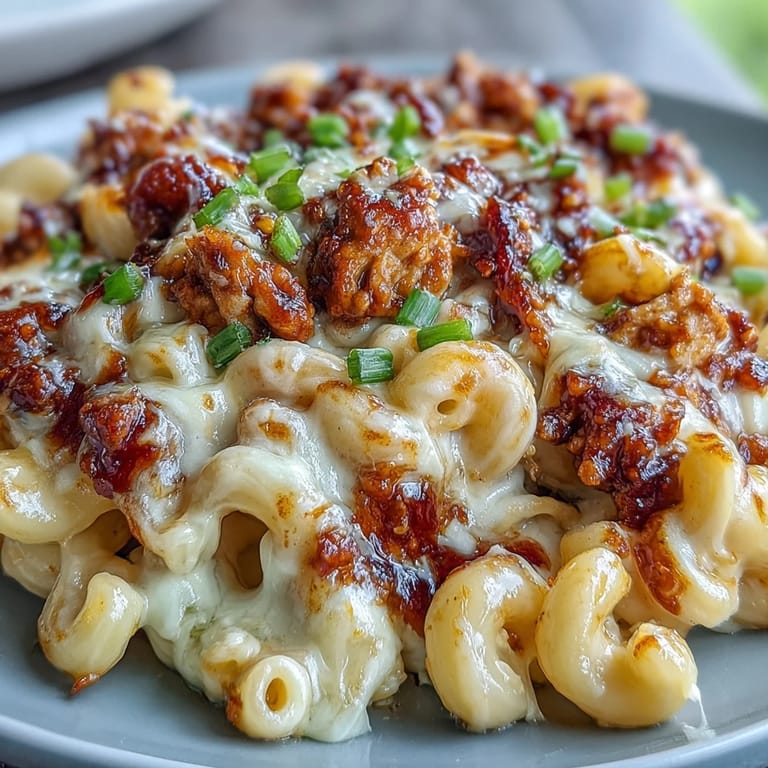
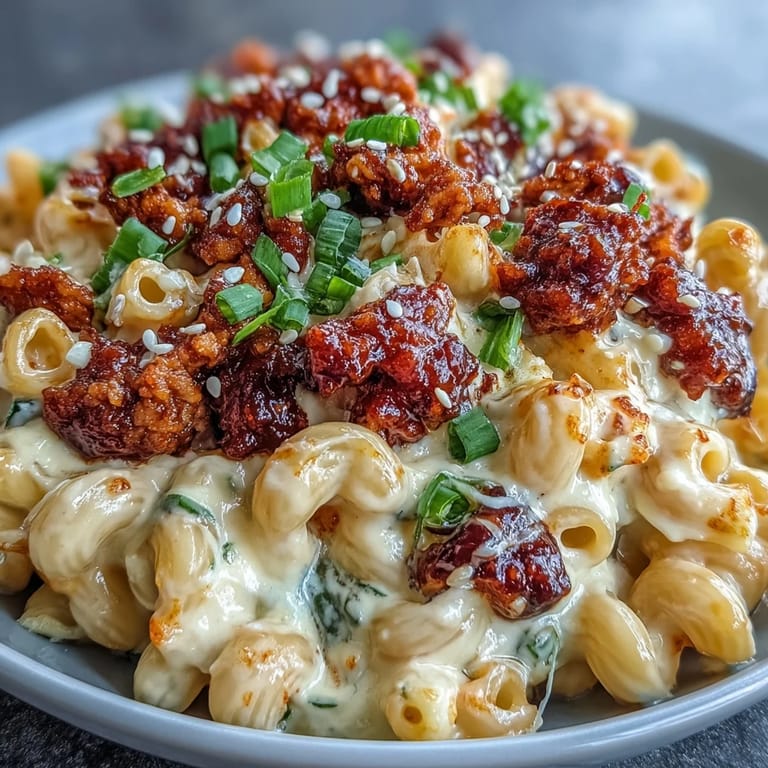
- Divide the mac and cheese among serving bowls, then top each one with a generous spoonful of that Korean turkey mixture. This separation keeps the turkey meat tender and lets each element shine instead of everything becoming one muddled flavor.
- Finish with green and sparkle:
- Scatter sliced scallions over the top and add a small pinch of sesame seeds if you have them on hand. This final step takes it from looking homemade to looking intentional.
 Save
Save My neighbor smelled this cooking one evening and showed up at my door with wine and shameless curiosity about what that smell was, and by the time we finished eating, she was asking for the recipe and promising to make it for her book club. That's when I realized this dish does something special: it makes people feel like you've taken them somewhere unexpected without leaving their familiar comfort zone.
Why This Fusion Actually Works
Fusion cooking usually feels forced or gimmicky, but Korean-American flavors actually have a natural kinship because both cuisines understand the power of balancing spice, sweetness, salt, and umami in one bite. Mac and cheese gives you a neutral, creamy canvas that doesn't fight against bold flavors but actually lets them sing louder. The gochujang sauce brings fermented depth that regular ketchup or hot sauce simply can't match, turning what could have been a novelty into something that tastes genuinely intentional. You're not just putting two things together because they sound trendy, you're creating something that tastes better than either version would alone.
Building Better Flavor Layers
One evening I made this and forgot the rice vinegar, and the whole dish felt heavy and one-note by comparison, which taught me that these Korean flavors need that acidic brightness to feel balanced. The honey grounds the heat so it doesn't assault your palate, the soy sauce adds salty umami that makes everything taste more intentional, and the sesame oil comes in at the very end like a whispered secret that ties everything together. Every single ingredient here is doing specific work, and leaving even one out changes the whole equation in ways you'll feel but might not be able to identify. This is why following the recipe matters, at least the first time, because all those small things are actually the important things.
Storage and Next-Day Reimagining
This dish keeps beautifully in an airtight container for up to three days, though the pasta will absorb more sauce each day, which I actually find delicious by day two because it becomes richer and more concentrated. Reheating is simple: gently warm it in a saucepan over medium-low heat with a splash of milk if it's gotten too thick, or microwave it in a bowl and stir halfway through. You can also reinvent leftovers by making mac and cheese bites, freezing the mixture in muffin tins, then toasting them for lunch or a snack that tastes intentional instead of repurposed. The best move though is making extra on purpose, because someone will always want seconds, and having it ready in the refrigerator makes you feel like the kind of person who has their life together.
- Don't add the turkey topping until just before serving unless you want soggy, waterlogged pasta.
- If you're cooking for someone who loves heat, keep extra gochujang on the side so they can customize their own spice level.
- Toast your sesame seeds in a dry skillet for 30 seconds right before serving because fresh-toasted seeds taste infinitely better than ones sitting in a jar.
 Save
Save This recipe taught me that the best food happens when you stop worrying about whether something should work and just trust that good ingredients combined with attention actually taste incredible. Make this soon, make it for someone you actually like eating with, and let me know how they react.
Recipe FAQs
- → What makes the Korean-style turkey sweet and spicy?
The combination of gochujang (Korean chili paste), honey, and rice vinegar creates the signature sweet-spicy flavor profile. Gochujang provides fermented heat and depth, while honey balances the spice with natural sweetness.
- → Can I use different cheese varieties?
While sharp cheddar and mozzarella create excellent melt and flavor, you can substitute with gruyère for nuttiness, provolone for mild creaminess, or add parmesan for extra savory depth. Just keep the total quantity similar for proper sauce consistency.
- → Is gochujang very spicy?
Gochujang offers moderate heat with complex fermented flavors. It's typically milder than fresh chili peppers but has a gentle warmth. You can adjust the amount to your preference or add gochugaru (Korean chili flakes) for extra spice.
- → Can I make this dish ahead of time?
The components can be prepared separately up to a day in advance. Store the cheese sauce and turkey crumbles in airtight containers in the refrigerator. Reheat gently before combining with freshly cooked pasta for best texture.
- → What can I substitute for ground turkey?
Ground chicken, beef, or pork work equally well in this dish. For a vegetarian version, use crumbled tofu or plant-based meat alternatives, adjusting cooking time as needed. The seasoning blend complements various proteins beautifully.
- → How do I prevent the cheese sauce from becoming grainy?
Gradually whisk the milk into the roux over medium heat, stirring constantly. Remove from heat before adding cheese, and add it handful by handful while whisking until fully melted. Avoid overheating once cheese is added.