 Save
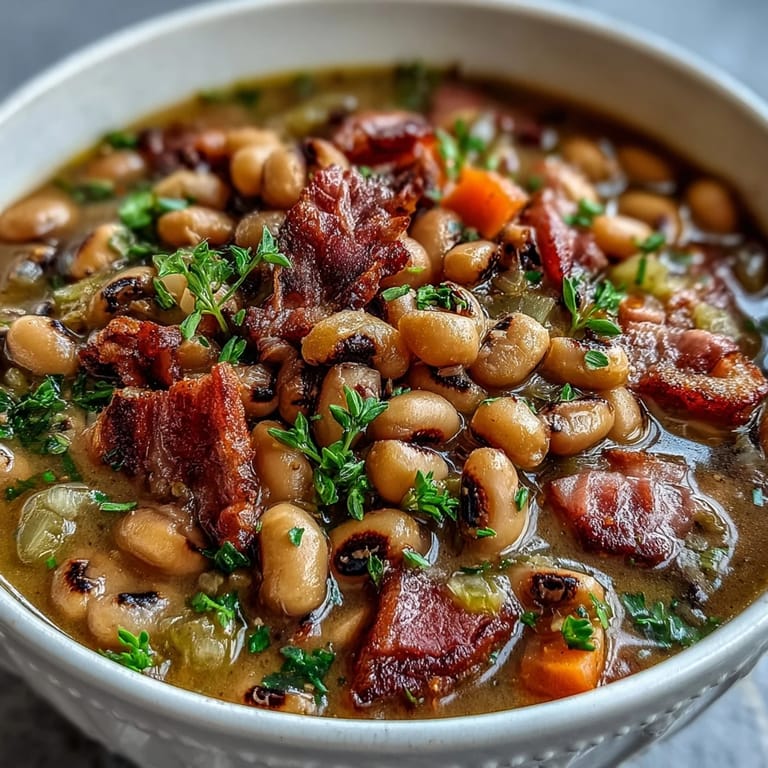
Save My grandmother kept a ham bone in her freezer year-round, but New Year's Eve was when she'd finally pull it out with purpose. She'd say the black-eyed peas were supposed to bring luck, but honestly, the real magic was watching that bone transform simple ingredients into something that smelled like home for hours. One January, I tried making it myself and somehow forgot to soak the peas overnight, so I cranked up the heat and pretended I knew what I was doing. The result was surprisingly good, which taught me that this soup is forgiving enough to work even when you're not entirely prepared.
I made this for my neighbor who had just moved in during a cold January, and she stood in my doorway with her coat still on, just breathing in the smell before she even tasted it. That moment when someone closes their eyes because a soup smells that good—that's when you know you've made something that matters. She asked for the recipe on the spot, and now it's become her own New Year tradition.
Ingredients
- Cooked ham, diced (2 cups, about 300 g): Buy a thick-cut ham steak from the deli counter if you can; it gives you better control over the chop size and the flavor feels fresher than pre-packaged.
- Ham bone (1, optional): Save this from your holiday ham or ask the butcher counter for one—it's free flavor that most people throw away.
- Dried black-eyed peas (2 cups) or canned (3 cans, drained and rinsed): Dried peas need overnight soaking but reward you with a silkier texture; canned ones are your friend when you're short on time.
- Onion (1 large, diced), carrots (2 large, diced), celery (2 stalks, diced): This holy trinity is the foundation—don't skip the dicing step, as uniform pieces cook evenly and make the soup feel intentional.
- Garlic (3 cloves, minced): Fresh garlic makes all the difference here; jarred garlic won't give you that fragrant moment when it hits the hot oil.
- Diced tomatoes (1 can, 14.5 oz, undrained): The juice matters as much as the tomatoes themselves, so don't drain it.
- Bay leaf (1): Remove it before serving—I learned this the hard way by nearly serving it to someone.
- Low-sodium chicken broth (6 cups) and water (2 cups): The water dilutes the salt so you're in control; taste as you go and adjust at the end.
- Smoked paprika (1 teaspoon): This is where the smoky depth lives; don't substitute regular paprika unless you want to lose that soul.
- Dried thyme (1 teaspoon), black pepper (½ teaspoon), salt (½ teaspoon), cayenne (¼ teaspoon optional): Layer these gently—you can always add more heat, but you can't take it back.
Tired of Takeout? 🥡
Get 10 meals you can make faster than delivery arrives. Seriously.
One email. No spam. Unsubscribe anytime.
Instructions
- Soak your peas the night before (if using dried):
- Rinse them under cold water and cover generously with fresh water in a large bowl. Overnight soaking breaks down compounds that can make you uncomfortable and ensures they cook evenly the next day.
- Build your flavor base:
- Heat a splash of oil in your large pot over medium heat, then add the diced onion, carrots, and celery. You'll know they're ready when the onion turns translucent and you can smell the sweetness rising—about 5 minutes. Listen for that gentle sizzle; it means you're not rushing.
- Wake up the garlic:
- Add your minced garlic and cook for exactly 1 minute, stirring constantly so it doesn't brown. That's the moment when your kitchen suddenly smells alive.
- Introduce the ham:
- Stir in your diced ham and ham bone if you're using one, letting it warm through for 2 minutes. This gives the oil a chance to pick up all that savory, smoky depth.
- Bring everything together:
- Add your drained black-eyed peas, the tomatoes with their juice, broth, water, bay leaf, and all your seasonings. Stir thoroughly so nothing settles at the bottom, then let the heat climb until you see a rolling boil.
- Let time do the work:
- Once it boils, drop the heat to low, cover the pot, and let it simmer for 1 hour if you used dried peas (30 minutes if canned). The peas should be tender enough that you can mash one easily between your fingers.
- Finish and taste:
- Remove the ham bone if you used one, then taste carefully. Salt builds over time, so you might need only a pinch more, or perhaps a whisper of cayenne for warmth.
- Serve with intention:
- Ladle into bowls and top with fresh parsley or green onions if you have them. The steam rising from the bowl is part of the whole experience.
 Save
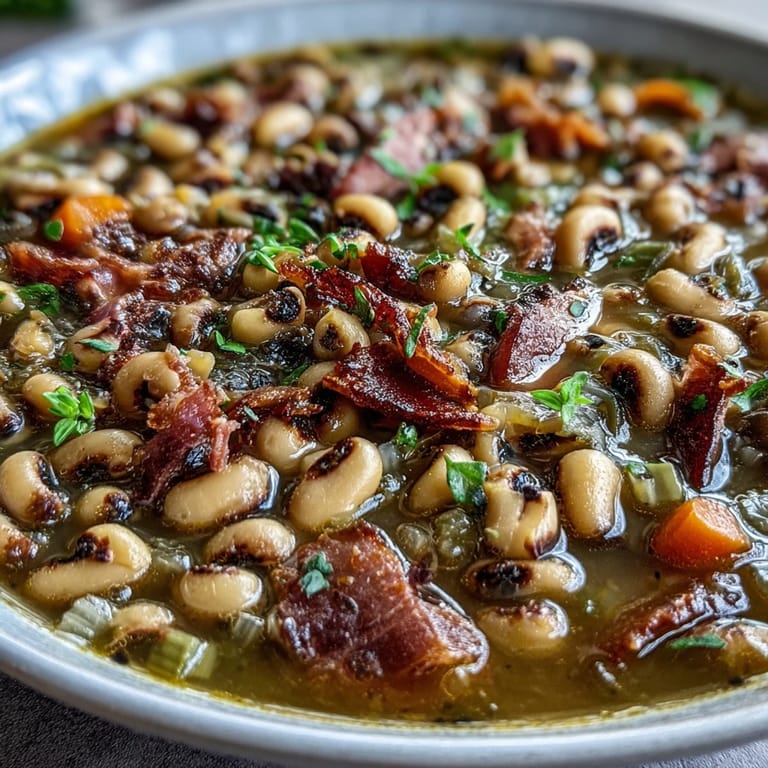
Save There's a quiet moment, about halfway through the simmer, when you lift the lid and the steam hits your face and you know this is going to be exactly what someone needs. My daughter came home from a rough day in college and sat at the kitchen counter while I finished this soup, and she didn't say much, but she ate two full bowls and asked me to send her the recipe for her dorm freezer.
Why This Soup Feels Like Home
Black-eyed peas carry their own weight in Southern tradition, but this soup works because it respects that history without making it feel stuffy. The ham brings savory richness, the tomato adds brightness so it doesn't sit heavy in your stomach, and the smoked paprika keeps everything from tasting too familiar. It's the kind of soup that tastes like it took hours even though most of that time is just gentle simmering while you do something else.
Making It Your Own
The beauty of this soup is how many directions you can nudge it without breaking it. Some people add a diced jalapeño for heat, others stir in greens (collards, kale) during the last few minutes so they wilt slightly but keep their structure. I've made it vegetarian by swapping vegetable broth for chicken and doubling the smoked paprika, and it was genuinely excellent—less about luck and more about good honest cooking.
Storage and Scaling
Leftovers belong in the fridge in an airtight container, where this soup will taste just as good for four days—sometimes better, as flavors deepen. For freezing, let it cool completely, then portion it into containers, and it'll keep for up to three months. When you're ready to eat it, thaw overnight in the fridge and reheat gently on the stovetop so the peas don't break down into mushiness.
- If the soup thickens too much after sitting, add a splash of water or broth and stir it back to life.
- Doubling the recipe means you'll need a bigger pot, but the cooking time stays roughly the same.
- Cornbread on the side isn't optional—it's the proper way to finish this meal.
 Save
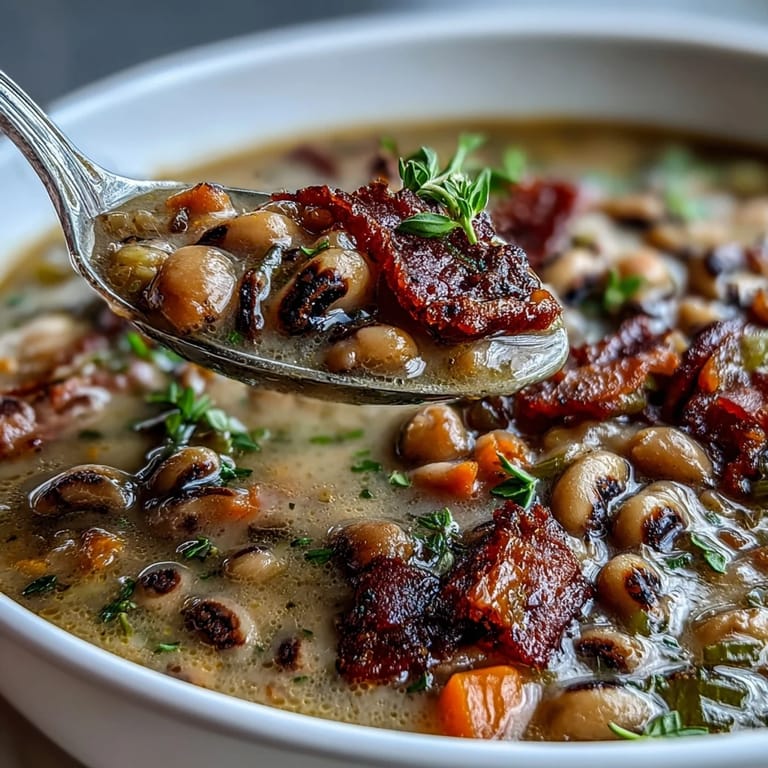
Save This soup has taught me that the best recipes are the ones you come back to, not because they're complicated, but because they make you feel something every single time. Make this for someone you care about, and you'll understand what I mean.