 Save
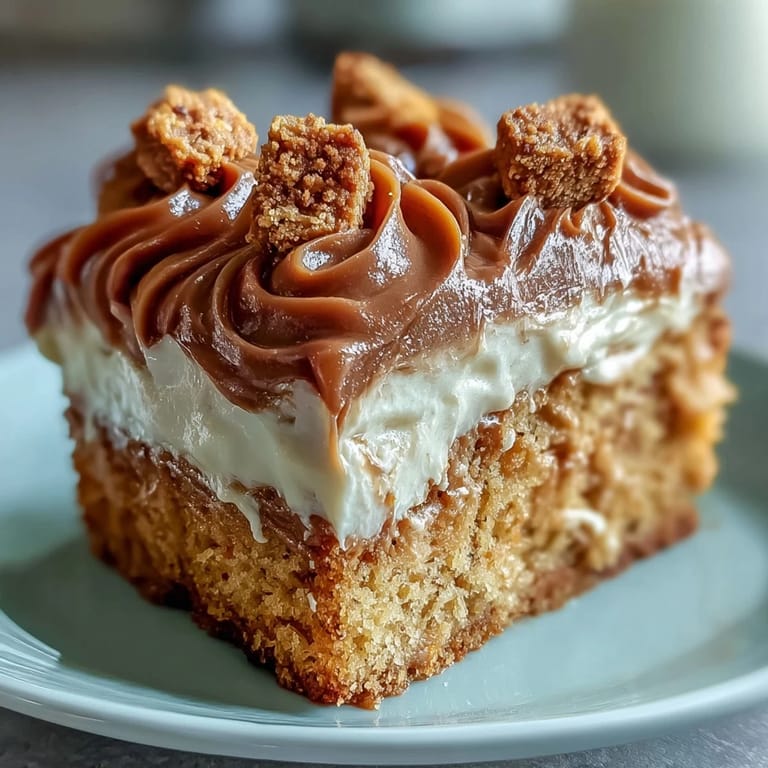
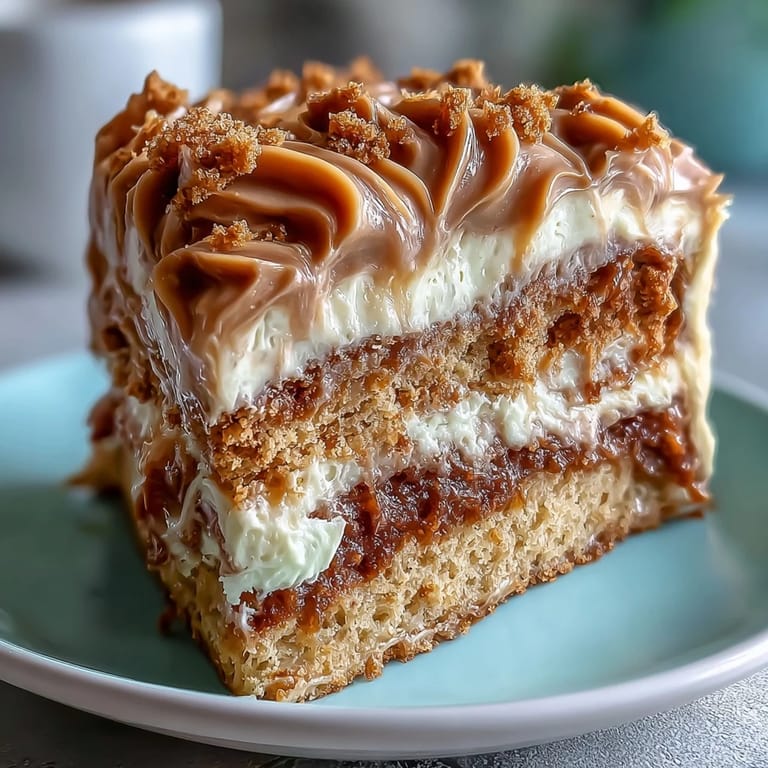
Save My neighbor knocked on the door one afternoon holding a jar of Lotus spread, insisting I had to bake something with it. I hesitated at first, unsure how cookie butter would work in a cake, but curiosity won. The kitchen filled with warm spice and caramel as the batter baked, and when I pulled that golden sponge from the oven, I knew she'd been right all along. That first slice, studded with crunchy Biscoff pieces and slathered in creamy frosting, turned into my most requested dessert overnight.
I brought this to a potluck once, worried it might be too sweet or too rich. Within twenty minutes, the plate was empty and three people asked for the recipe. One friend admitted she ate two slices standing in the kitchen, unable to wait for a proper seat. Watching everyone scrape their forks across their plates, chasing every last crumb, taught me that sometimes indulgence is exactly what people crave.
Ingredients
- Biscoff biscuits, crushed: The soul of this cake, bringing spiced crunch and deep caramel notes that soften as they bake into the batter.
- All-purpose flour: Forms the tender structure that holds all those cookie pieces without turning dense or heavy.
- Baking powder and baking soda: Together they create a light, airy crumb that contrasts beautifully with the crunchy mix-ins.
- Salt: A pinch balances all that sweetness and makes the caramel flavor sing louder.
- Unsalted butter, softened: Creams into the sugar to build richness and moisture, so the cake stays soft for days.
- Granulated sugar: Sweetens and helps create that fluffy, cloudlike texture when beaten with butter.
- Large eggs: Bind everything together and add structure, giving the cake its tender, sliceable crumb.
- Vanilla extract: A warm background note that lets the Biscoff flavor take center stage.
- Whole milk: Keeps the batter smooth and pourable, ensuring even baking and a moist finished cake.
- Lotus spread for the cake: Swirled through the batter, it melts into pockets of gooey caramel magic.
- Unsalted butter for frosting: The creamy base that whips into clouds and holds the Lotus spread in silky suspension.
- Powdered sugar: Sweetens the frosting without grittiness, creating that signature buttercream smoothness.
- Lotus spread for frosting: Transforms plain buttercream into nutty, spiced perfection that tastes like liquid cookies.
- Heavy cream or milk: Loosens the frosting just enough to spread easily without tearing the delicate cake.
- Pinch of salt in frosting: Cuts through the sweetness and amplifies every warm, caramelized note.
Tired of Takeout? 🥡
Get 10 meals you can make faster than delivery arrives. Seriously.
One email. No spam. Unsubscribe anytime.
Instructions
- Prepare the Pan:
- Preheat your oven to 180°C (350°F) and grease a 9-inch round pan generously, dusting it with flour or lining it with parchment. This step prevents heartbreak when the cake sticks halfway out.
- Sift the Dry Ingredients:
- Combine flour, baking powder, baking soda, and salt in a large bowl, whisking them together until no lumps remain. Sifting ensures an even rise and tender crumb.
- Cream Butter and Sugar:
- Beat softened butter and granulated sugar on medium speed for 3 to 5 minutes until pale and fluffy. The mixture should look almost like whipped clouds, light and airy.
- Add Eggs and Vanilla:
- Crack in the eggs one at a time, beating well after each addition, then stir in vanilla extract. This builds a stable emulsion that holds the batter together.
- Alternate Dry and Wet:
- Add the flour mixture in three parts, alternating with the milk, beginning and ending with flour. Mix just until you see no streaks, stopping before you overwork the gluten.
- Fold in Biscoff and Spread:
- Gently fold crushed Biscoff biscuits and Lotus spread into the batter using a rubber spatula. Streaks of cookie butter will marble through, creating pockets of flavor.
- Bake the Cake:
- Pour batter into the prepared pan, smooth the top, and bake for 35 to 40 minutes. A toothpick inserted in the center should come out clean or with a few moist crumbs.
- Cool Completely:
- Let the cake rest in the pan for 10 minutes, then turn it out onto a wire rack. Frosting a warm cake will melt into a puddle, so patience here pays off.
- Make the Frosting:
- Beat softened butter until smooth, then gradually add powdered sugar on low speed. Mix in Lotus spread, cream, and a pinch of salt, then whip on medium-high for 3 minutes until fluffy.
- Frost and Decorate:
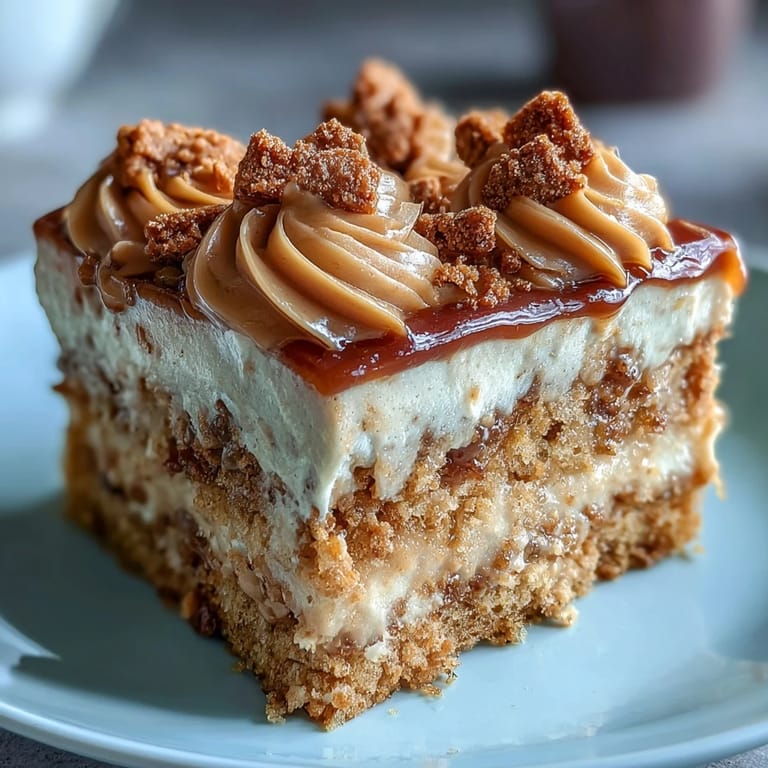
- Once the cake is completely cool, spread the frosting over the top and sides using an offset spatula. Scatter crushed Biscoff biscuits on top or drizzle extra Lotus spread for a bakery finish.
 Save
Save The first time I served this at a family dinner, my youngest cousin asked if I'd bought it from a fancy bakery. When I told her I made it in my kitchen with a hand mixer, she stared at me like I'd performed a magic trick. That look of disbelief, followed by pure joy as she took another bite, reminded me why I love baking for people.
Storing and Serving
This cake stays moist and tender for up to three days in an airtight container at room temperature. I've found that the flavors deepen overnight as the Biscoff pieces soften slightly and the frosting settles into the crumb. If you need to store it longer, wrap slices individually in plastic wrap and freeze for up to a month. Serve it at room temperature with strong coffee or black tea, the bitterness balances the caramel sweetness beautifully.
Customizing Your Cake
Once you've mastered the base, this cake invites all kinds of play. I've folded dark chocolate chips into the batter for extra richness, and once added chopped hazelnuts for a Nutella-adjacent twist. A friend of mine layers it with extra Lotus spread between two cake rounds, turning it into a towering celebration centerpiece. You can also pipe the frosting with a star tip for an elegant swirl pattern that looks professional without needing pastry school skills.
Troubleshooting Common Issues
If your cake sinks in the middle, you likely overmixed the batter or opened the oven door too early, releasing heat before the structure set. A dense crumb usually means too much flour or not enough leavening, so measure carefully and check your baking powder's expiration date. Frosting that won't stiffen up often comes from butter that was too warm, try chilling the bowl for 10 minutes and beating again.
- Use room temperature eggs and milk for a smoother batter that bakes evenly.
- Crush Biscoff biscuits into varied sizes, some fine crumbs and some chunky pieces add texture.
- Taste your frosting before spreading it, you can always add more Lotus spread or a drop of vanilla.
 Save
Save Every time I slice into this cake, the layers of flavor and texture remind me why baking feels like giving a gift. It's a little bit of magic wrapped in butter, sugar, and cookie crumbs, ready to make any day feel special.
Recipe FAQs
- → What makes Biscoff cake unique?
The combination of crunchy Biscoff biscuits folded into tender vanilla sponge creates distinct texture layers, while the Lotus spread frosting adds signature spiced caramel flavor that you can't achieve with regular frosting.
- → Can I make this cake ahead of time?
Yes, the unfrosted cake layers can be wrapped and stored at room temperature for up to 2 days. Frost shortly before serving for the freshest texture and appearance.
- → What can I use instead of Lotus spread?
Speculoos spread is essentially the same thing and works perfectly. Some cookie butters with similar spiced profiles can substitute, though the flavor may vary slightly.
- → Why did my cake turn out dense?
Overmixing the batter after adding flour develops too much gluten. Mix just until ingredients are incorporated, and avoid opening the oven door during baking as this can cause the cake to collapse.
- → How do I know when the cake is done baking?
Insert a toothpick into the center—it should come out clean or with just a few moist crumbs. The edges should pull slightly away from the pan, and the top should spring back when gently touched.
- → Can I freeze Biscoff cake?
Wrap unfrosted cake layers tightly in plastic wrap and freeze for up to 3 months. Thaw overnight at room temperature before frosting. Already frosted cake can also be frozen, though the frosting texture may change slightly.