 Save
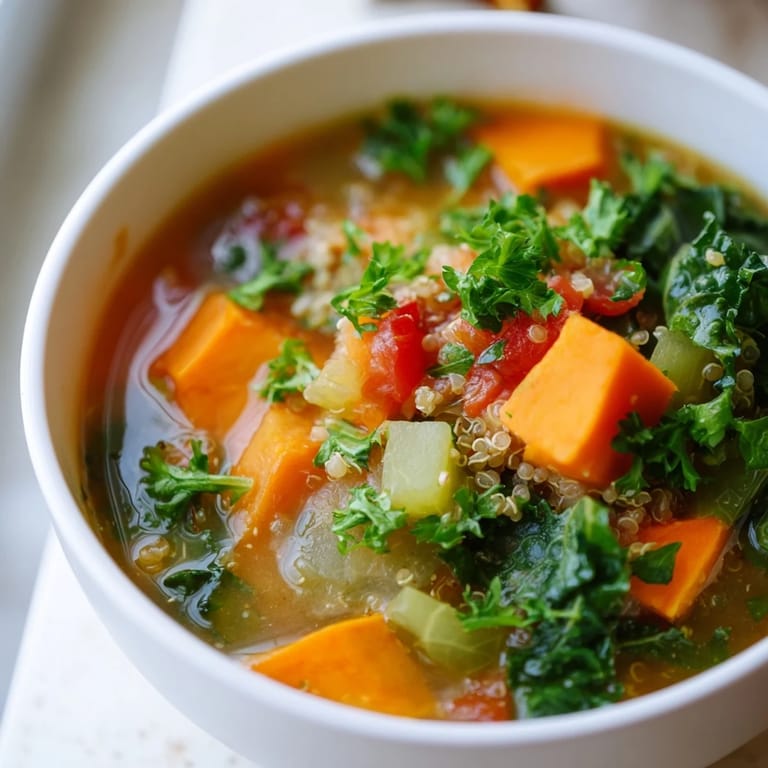
Save There's something about the first cold snap of winter that makes me crave a bowl of something warm and alive. A few years back, I was standing in the kitchen on a gray afternoon, staring at a pile of vegetables that needed rescuing before they wilted away, when I decided to throw together this nourishing soup. The kitchen filled with the smell of sautéed garlic and roasting vegetables, and by the time it simmered down, I'd created something that became my go-to comfort meal whenever the temperature drops. It's the kind of soup that asks almost nothing of you but rewards you with a bowlful of color, texture, and genuine nourishment.
I made this soup for my sister during one of those unexpected ice storms, and she called me three days later asking for the recipe. Apparently she'd made it twice already and was on her way to making it a third time. That moment taught me something: the simplest, most honest recipes are often the ones people return to again and again, not because they're fancy or Instagram-worthy, but because they actually make you feel better.
Ingredients
- Olive oil: Just a tablespoon to get the aromatics going without making this heavy.
- Onion and garlic: The flavor foundation—take your time letting them turn golden and fragrant, it makes all the difference.
- Carrots, celery, and parsnip: These three are the backbone; the parsnip adds a subtle sweetness that balances everything else.
- Sweet potato: Brings earthiness and natural sweetness without needing to add sugar.
- Kale or Swiss chard: Heartier greens that hold up to simmering; remove the tough center stems first.
- Cabbage: Adds bulk and a gentle cabbage-y flavor that somehow works with everything.
- Tomatoes: Canned works just as well as fresh and you don't have to worry about the season.
- Quinoa: Rinse it first—this removes the bitter coating and makes it taste better.
- Vegetable broth: Use low-sodium so you can taste the vegetables and control the salt yourself.
- Dried thyme and oregano: Don't skip these; they're what make this taste like a proper soup and not just boiled vegetables.
- Bay leaf: Remove it before serving or someone will bite into it and make a face.
- Fresh parsley and lemon: Added at the end, these brighten everything up and make it taste fresher than it has any right to.
Tired of Takeout? 🥡
Get 10 meals you can make faster than delivery arrives. Seriously.
One email. No spam. Unsubscribe anytime.
Instructions
- Sauté the aromatics:
- Heat your olive oil over medium heat and add the diced onion and minced garlic. You're looking for that moment when the kitchen suddenly smells amazing and the onions turn translucent and soft—that takes about 2 to 3 minutes. Don't rush this step; it's the foundation of everything that comes next.
- Build your vegetable layer:
- Toss in the carrots, celery, parsnip, and sweet potato and let them cook for 5 to 6 minutes, stirring occasionally so they don't stick. They don't need to be fully cooked yet—you just want them to start softening and releasing their flavors into the pot.
- Add the greens and tomatoes:
- Stir in the kale (or chard) and cabbage along with the diced tomatoes. This step takes just 2 minutes; you're really just wilting the greens slightly so they're easier to manage.
- Build the broth:
- Pour in your vegetable broth and add the rinsed quinoa, thyme, oregano, bay leaf, and a good pinch of salt and pepper. Give it a good stir so the quinoa doesn't clump together at the bottom.
- Bring it to heat:
- Turn up the heat until you see a gentle boil, then immediately reduce to low. This quick boil helps release flavors and gets the quinoa started cooking.
- Simmer and let it all come together:
- Cover your pot and let it simmer for 25 to 30 minutes—the vegetables will become tender, the quinoa will fluff up, and all the flavors will have gotten to know each other. You'll know it's done when you can easily pierce a carrot chunk with a wooden spoon.
- Finish and serve:
- Remove the bay leaf, stir in your fresh parsley and a squeeze of lemon juice if you want that brightness, and taste for seasoning. Ladle it into bowls and serve it hot, maybe with some crusty bread alongside.
 Save
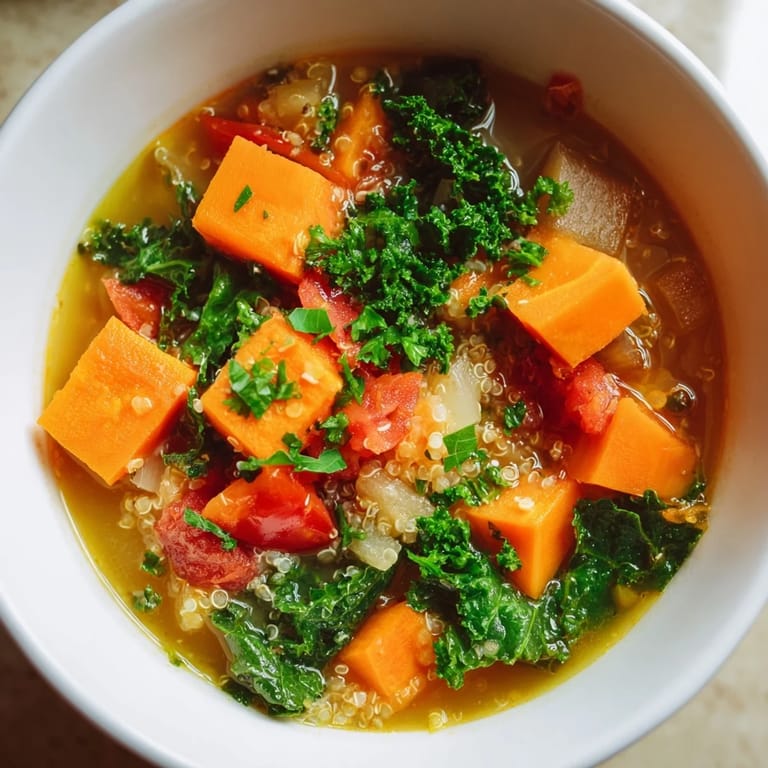
Save I realized years ago that the best meals aren't the complicated ones—they're the ones that show up for you on your worst days and make everything a little bit better. This soup does that without asking for much in return.
Customizing Your Soup
The beauty of this soup is that it adapts to whatever you have on hand. Some weeks I use more cabbage, other times I add extra kale if it's looking sad in the crisper. In fall I swap the sweet potato for butternut squash; in late spring when fresh peas show up, I toss a handful in during the last few minutes of cooking. The vegetable broth is your canvas—use whatever is available to you, though I do recommend checking the sodium level so you can adjust your seasoning accordingly.
Making It Heartier
If you want this to be more substantial as a main dish, add a can of drained and rinsed chickpeas or white beans in step 4 when you add the broth. I often do this when I'm making soup for a crowd or know people are coming home hungry. For extra flavor, you can also stir in a can of diced tomatoes with green chiles if you like a gentle heat, or add a quarter teaspoon of smoked paprika to give it a deeper, more complex taste.
Storage and Serving
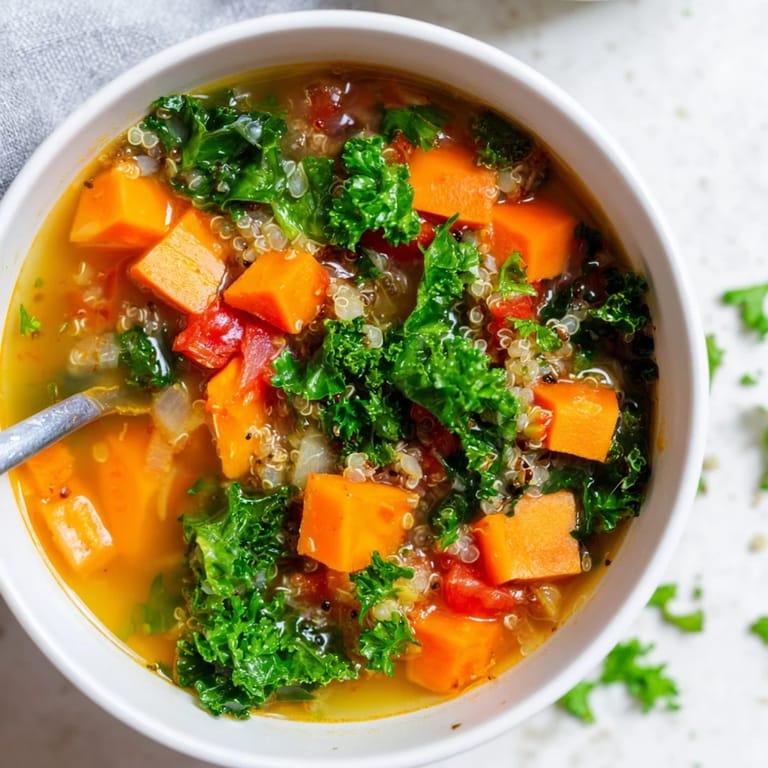
This soup stores beautifully in the refrigerator for up to five days and actually gets better as the flavors deepen and marry together. You can freeze it too, though the texture of the quinoa will be slightly softer when thawed. Serve it with crusty whole-grain bread for soaking up the broth, or pair it with a simple green salad for a lighter meal.
- Reheat gently on the stovetop over low heat, adding a splash of water if it's thickened too much.
- The parsley and lemon are best added fresh each time you serve, not mixed into leftovers, so the flavors stay bright.
- Let any leftover soup cool completely before storing so condensation doesn't make everything watery.
 Save
Save This soup reminds me that sometimes the most nourishing thing you can do is choose something simple and whole, something that tastes like care. That's what this bowl delivers, every single time.
Recipe FAQs
- → What vegetables are used in this winter soup?
This soup features onion, garlic, carrots, celery, parsnip, sweet potato, kale or Swiss chard, cabbage, and diced tomatoes.
- → How is the quinoa prepared in the soup?
The quinoa is rinsed before adding to the simmering broth to cook until tender and absorb flavors.
- → Can this soup be made vegan and gluten-free?
Yes, the soup is naturally vegetarian, gluten-free, and dairy-free, making it suitable for vegan and gluten-sensitive diets.
- → What herbs add flavor to the broth?
Dried thyme, oregano, a bay leaf, and fresh parsley enrich the soup’s aromatic and savory notes.
- → Are there suggestions to boost protein content?
Adding drained chickpeas or white beans enhances protein and makes the soup heartier.
- → How can the soup be served for a fuller meal?
Serve this warming soup with crusty whole-grain bread or a side salad for added texture and satisfaction.