 Save
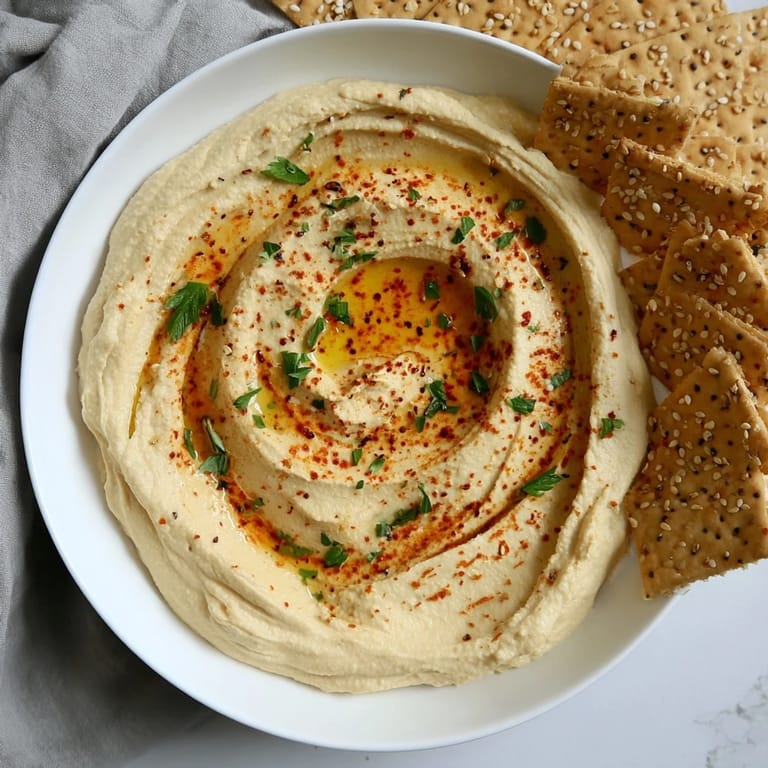
Save I was arranging appetizers for a dinner party when my friend walked into the kitchen and stopped cold in front of my platter. She said, "That looks like something from a gallery, not a kitchen." That moment made me realize how much we eat with our eyes first, and it's why I became obsessed with this layered hummus creation. The undulating waves of beige and cream reminded me of desert landscapes I'd seen in photographs, so I started playing with the geometry of it all—stacking, tilting, building. What started as a simple dip became this unexpected conversation piece that somehow tastes even better than it looks.
My nephew's first word was almost "cracker" before it was "mama," and he taught me that simple foods can mean everything. I made this for his third birthday party, nervous that the artistic arrangement would just get demolished in seconds. Instead, he and his little friends approached it like it was treasure—carefully selecting crackers, dipping them with surprising gentleness, and somehow turning a snack into an adventure through an imaginary canyon they'd built in their minds.
Ingredients
- Classic Hummus (500 g): This is your canvas, so don't skimp on quality. Store-bought works beautifully, but if you have time, homemade hummus has a lighter texture that spreads more elegantly and creates better ridges.
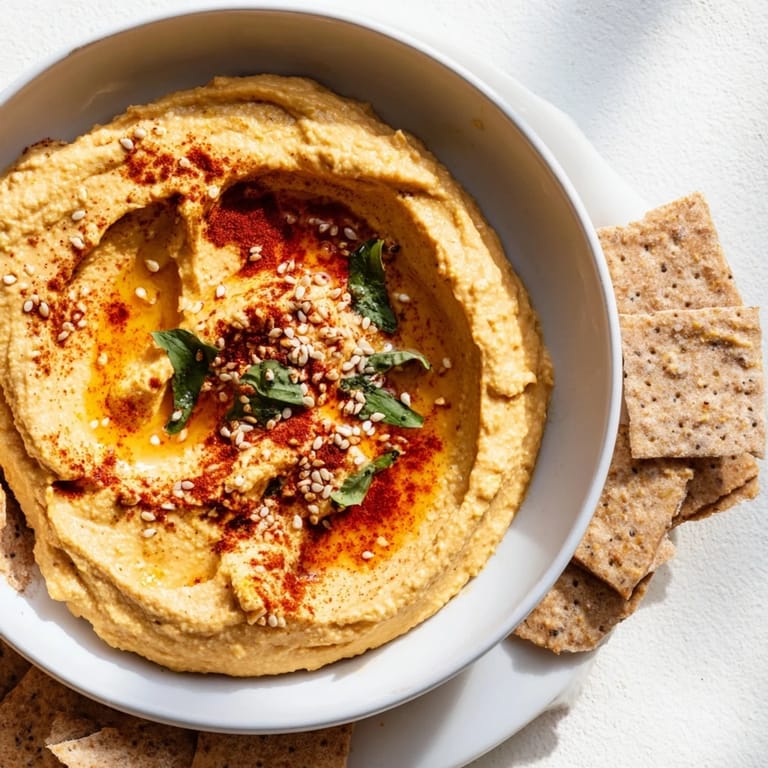
- Smoked Paprika (1 tsp): This is what transforms ordinary hummus into something memorable—it adds depth and a subtle smokiness that makes people wonder what your secret ingredient is.
- Extra-Virgin Olive Oil (1 tbsp): Use the good stuff here, the kind you actually taste, because it's a featured player, not background music.
- Ground Cumin (1/2 tsp): Just enough to whisper warmth without shouting; it grounds the flavors and connects everything together.
- Cayenne Pepper (1/4 tsp, optional): Add this only if you want a gentle heat that lingers pleasantly on the back of your tongue.
- Beige Crackers (200 g): Whole wheat, sesame, or water crackers all work, but look for ones that hold their shape when you stand them upright—thin, delicate crackers will fold under their own weight.
- Toasted Sesame Seeds (2 tbsp): Toast them yourself if you have time; they'll smell incredible and add a nutty richness that store-bought versions sometimes miss.
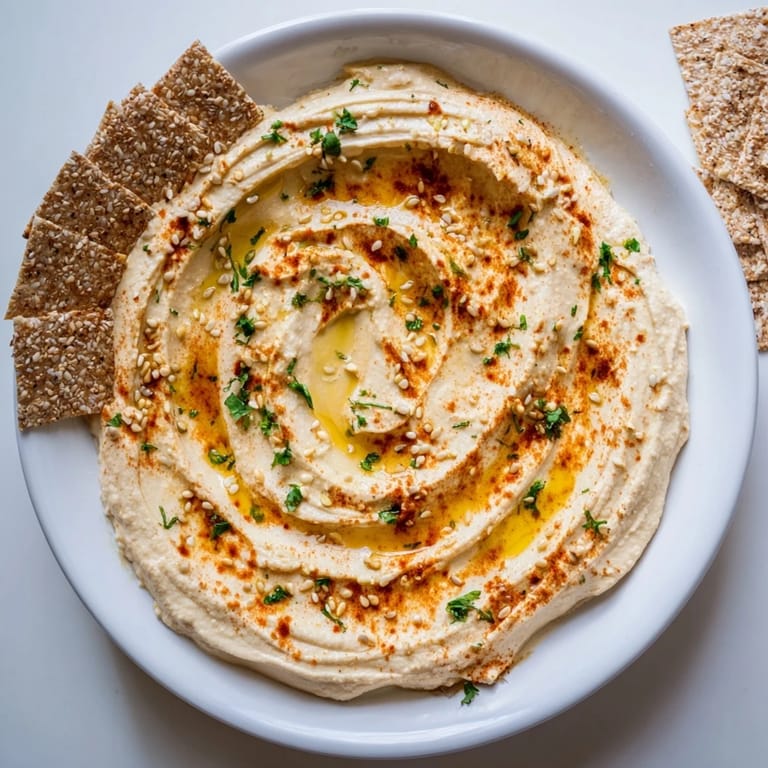
- Fresh Parsley (2 tbsp, chopped): The green cuts through all that cream and adds a fresh, almost grassy note that brightens everything.
- Lemon (1 small, cut into wedges): A squeeze of fresh lemon at the moment of eating lifts the entire experience and cuts through the richness beautifully.
Tired of Takeout? 🥡
Get 10 meals you can make faster than delivery arrives. Seriously.
One email. No spam. Unsubscribe anytime.
Instructions
- Season Your Canvas:
- Pour your hummus into a bowl and add the smoked paprika, olive oil, cumin, and cayenne if using it. Stir slowly at first, then more vigorously, watching as the whole mixture darkens and the spices begin to bloom. You'll notice the smell shift from plain and chickpea-forward to something warmer and more inviting.
- Create the Canyon Walls:
- On your serving platter, use a spatula or offset knife to spread the seasoned hummus in gentle, undulating waves. Don't aim for perfection—the ridges and valleys are what make it look alive. Think of yourself as sculpting rather than just spreading.
- Build Your Landscape:
- Stand your crackers upright, following the contours of your hummus waves, letting them lean into the curves rather than standing at rigid angles. Overlap them slightly so they support each other, creating depth and the illusion of canyon walls that have stood for centuries.
- Layer Generously:
- Repeat the hummus and cracker pattern three to four times, alternating between smooth cream and sharp-edged beige. Each layer should be slightly offset from the one below, building complexity and inviting people to dig deeper.
- Crown Your Creation:
- Scatter the toasted sesame seeds and fresh parsley across the top with a casual hand—this isn't about perfection but about adding texture and color that catch the light. A final drizzle of olive oil on top never hurts.
- Serve Immediately:
- Have those lemon wedges nearby so guests can squeeze them over their crackers right before eating. The acidity transforms the whole experience into something bright and alive.
 Save
Save I made this for my partner's work colleagues, and watching their faces as they arrived at the kitchen made me understand why food matters so much beyond hunger. One woman actually took a photo before eating anything, and later told me it had brightened her entire week because it reminded her that someone had taken time to make something thoughtfully. That's when I realized this wasn't just a dip with crackers—it was an invitation to slow down and notice.
The Art of Arrangement
There's something meditative about arranging this platter, and the more you make it, the more you develop your own style. Some people like their canyons wide and dramatic; others prefer narrow, intricate passages between the crackers. I've learned that there's no wrong way to do this, only different ways of seeing the landscape you're creating. The beauty is that while you're working, you're thinking about nothing else—no emails, no worries, just the immediate sensory experience of texture and color and the satisfaction of building something visually cohesive.
Flavor Variations Worth Exploring
The Mediterranean spices in the classic version feel like home, but once you understand the basic structure, the possibilities expand. I've swirled roasted red pepper hummus between layers for a stunning color gradient, mixed in sun-dried tomato paste for earthiness, and even experimented with a white tahini-based variation that created a monochrome, more elegant effect. Each version tells a different story, but they all share that moment of impact when someone sees them for the first time.
Making It Your Own
The truth is, this recipe is a starting point for whatever you want to build. I've added roasted chickpeas for crunch, scattered pomegranate seeds for brightness, and once sprinkled crispy chickpea snacks on top for an unexpected textural contrast that somehow worked. The foundation is solid enough that you can play with garnishes, spice levels, and even cracker varieties without losing the essential charm of the dish. Trust your instincts and taste as you go—your kitchen knows what you like better than any recipe ever will.
- Always taste your seasoned hummus before spreading it; you might want more spice or salt depending on your mood and your guests' preferences.
- If you're nervous about your layering skills, remember that imperfection is actually more interesting visually than perfection ever could be.
- Keep extra lemon wedges nearby because that bright acid makes every single bite taste even better than you expected.
 Save
Save Food like this reminds us that hospitality isn't about complexity—it's about attention. This dish takes almost no time and almost no skill, but it asks for presence and a willingness to see your kitchen as a place where beauty and nourishment live side by side.
Recipe FAQs
- → How do I create the canyon texture with hummus?
Use a spatula or offset knife to spread the hummus in thin, wavy layers with ridges and valleys, mimicking natural canyon contours.
- → What type of crackers work best for layering?
Beige crackers such as whole wheat, sesame, or water crackers are ideal for their crispness and neutral color that enhance the canyon effect.
- → Can the hummus be flavored differently?
Yes, swirling in roasted red pepper or sun-dried tomato hummus between layers adds complexity and color variation.
- → How do I keep crackers upright within the hummus layers?
Press crackers gently into the hummus along the undulating surface, slightly overlapping to create the impression of canyon walls and maintain stability.
- → What garnishes complement this dish?
Toasted sesame seeds and chopped fresh parsley add visual appeal and texture, while lemon wedges provide a refreshing, zesty balance.
- → Is this suitable for gluten-free diets?
Yes, by substituting the crackers with gluten-free options, the dish remains suitable for gluten-free preferences.