 Save
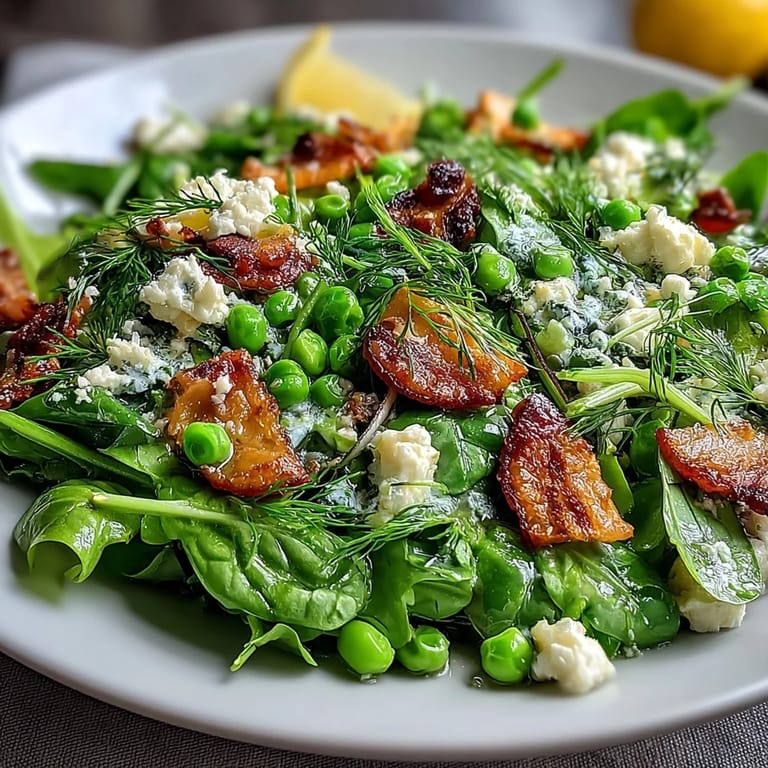
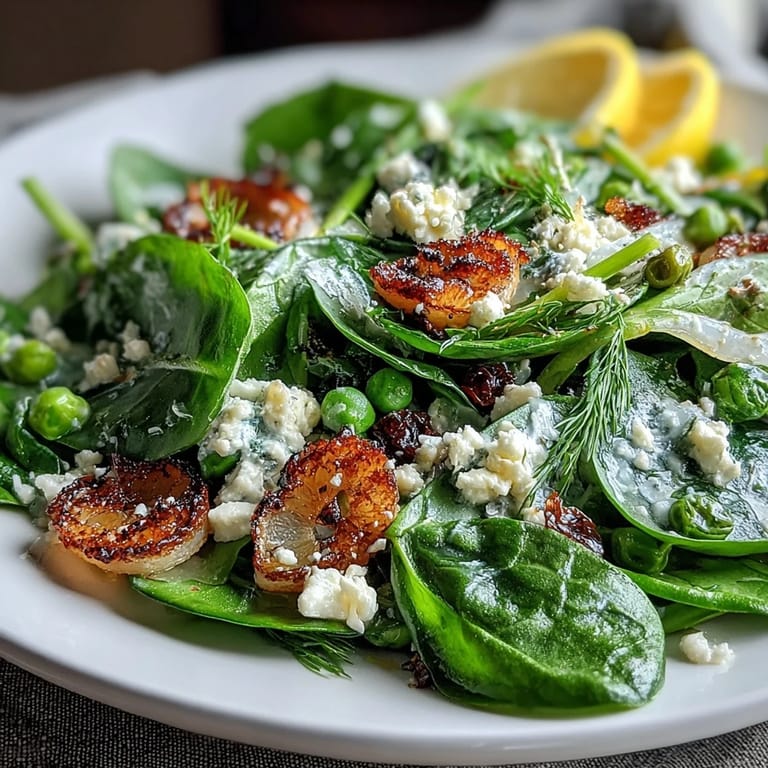
Save There's this moment in late April when you walk through the farmers market and suddenly everything smells green—not the green of summer tomatoes and basil, but the crisp, almost grassy green of spring. That's when I started making this salad obsessively, throwing together whatever looked brightest: peppery radishes that still had a little soil clinging to them, sugar snap peas that snapped between my teeth like candy, and handfuls of tender greens that practically wilted at the thought of warm dressing. The lemon vinaigrette came later, a happy accident when I had half a lemon on my counter and decided mustard belonged in everything. It's become my favorite reason to eat salad instead of just eating a salad.
I made this for my neighbor one rainy Tuesday when she brought over soup and stayed to talk for three hours. She said nobody had ever made her a salad that tasted like springtime, which sounds like the kind of thing people say to be polite, but the way she kept reaching for more convinced me she meant it. Now every time I make this, I think about that afternoon and how a bowl of greens somehow turned into something worth remembering.
Ingredients
- Mixed spring greens: Use whatever combination looks alive in your market—arugula brings a peppery snap, baby spinach adds sweetness, watercress lends a slightly bitter edge that makes the lemon sing.
- Sugar snap peas: Slice them on the diagonal and you get those pretty half-moons, plus they look fancier than they have any right to for something so simple.
- Fresh or frozen green peas: Frozen are honestly your friend here since they're picked at peak sweetness and defrost in seconds—no guilt necessary.
- Radishes: Slice thin enough to let light pass through them, thick enough that they still have texture and don't disappear into the greens.
- Red onion: A quarter of a small one sliced paper-thin gives you just enough sharp bite without taking over the whole salad.
- Extra virgin olive oil: Don't use your fancy bottle, but don't use the sad one either—somewhere in the middle where it still tastes like olives.
- Fresh lemon juice: Never use the bottled version for this; the juice of half a fresh lemon makes all the difference between a vinaigrette and a revelation.
- Lemon zest: A microplane grater gets the pure flavor without the bitter white pith that hides underneath.
- Dijon mustard: One teaspoon is your emulsifier, the thing that holds everything together and keeps the oil and lemon from just sitting in separate sad pools.
- Honey: This isn't about sweetness; it's about rounding out the sharp lemon and adding just enough viscosity to make the vinaigrette cling to the leaves.
- Sea salt and black pepper: Taste as you go because your salt tastes different than mine and your pepper might be fresher.
- Fresh chives: Chop them right before you serve or they'll start to brown at the edges and turn melancholic-looking.
- Feta cheese: Optional, but the salty tanginess plays beautifully against the bright lemon—leave it out if you need to, but don't pretend you don't miss it.
Tired of Takeout? 🥡
Get 10 meals you can make faster than delivery arrives. Seriously.
One email. No spam. Unsubscribe anytime.
Instructions
- Gather your greens and vegetables:
- Wash and dry everything thoroughly—water clinging to leaves dilutes your vinaigrette and makes the whole thing taste watered down. Toss your greens, peas, radishes, and red onion into a large bowl, but don't dress it yet or everything will start to wilt while you're making the vinaigrette.
- Build your vinaigrette:
- Whisk the olive oil, lemon juice, zest, mustard, honey, salt, and pepper in a small bowl until the mixture emulsifies and turns slightly creamy—you'll see it happen, this transformation from separate ingredients into something that coats a spoon. This takes about thirty seconds of actual whisking, not apologetic stirring.
- Combine and toss:
- Pour the vinaigrette over your salad and toss gently but thoroughly, making sure every leaf gets a light coating—rough handling bruises the tender greens and nobody wants sad, broken salad. Do this just before you serve or you'll end up with a puddle of greens.
- Plate and finish:
- Transfer to a serving platter or individual bowls, scatter the chopped chives across the top, and add feta if you're using it. Serve immediately while everything still has that crisp, just-happened-to-it texture.
 Save
Save My sister once told me that eating this salad made her feel like she was doing something right, like taking care of herself was actually possible on a weeknight. I never knew that greens and radishes could carry that kind of meaning, but now I do. Sometimes the smallest meals teach us the most important things.
Why Spring Deserves a Proper Salad
Winter teaches us to eat heavier, to load our bowls with roots and grains and things that stick to our ribs. But then March or April rolls around and your body suddenly starts craving something that tastes like growing things and fresh air. This salad is that craving answered—it's not a sacrifice after heavy eating, it's a celebration of the season turning bright again, of farmers bringing something truly young and tender to market instead of things that have been stored in a basement for months.
The Math of a Good Vinaigrette
A traditional vinaigrette uses a three-to-one ratio of oil to acid, but this one breaks that rule slightly because lemon juice is less aggressive than vinegar and because the mustard and honey add their own body. If you tried to use three parts olive oil to one part lemon juice, you'd end up with something that tastes like you're swallowing oil with a whisper of lemon. The ratio here creates something that actually coats your mouth with flavor instead of sitting slick on your tongue.
Making This Salad Taste Like More
There's an art to a salad that doesn't feel like rabbit food, and it starts with understanding that texture is your friend. The radishes give you snap, the peas give you sweetness, the greens give you softness, and the chives give you a little sulfurous punch. Together they create something that your mouth actually has to work on, that rewards attention instead of just disappearing down your throat while you scroll through your phone.
- Add toasted sunflower seeds or sliced almonds if you want crunch that lasts through the entire salad instead of just the first few bites.
- Serve this alongside grilled chicken or salmon and suddenly you have a proper dinner instead of just a starter.
- Make a double batch of the vinaigrette and keep it in a jar in the fridge for three days of actually wanting to eat your vegetables.
 Save
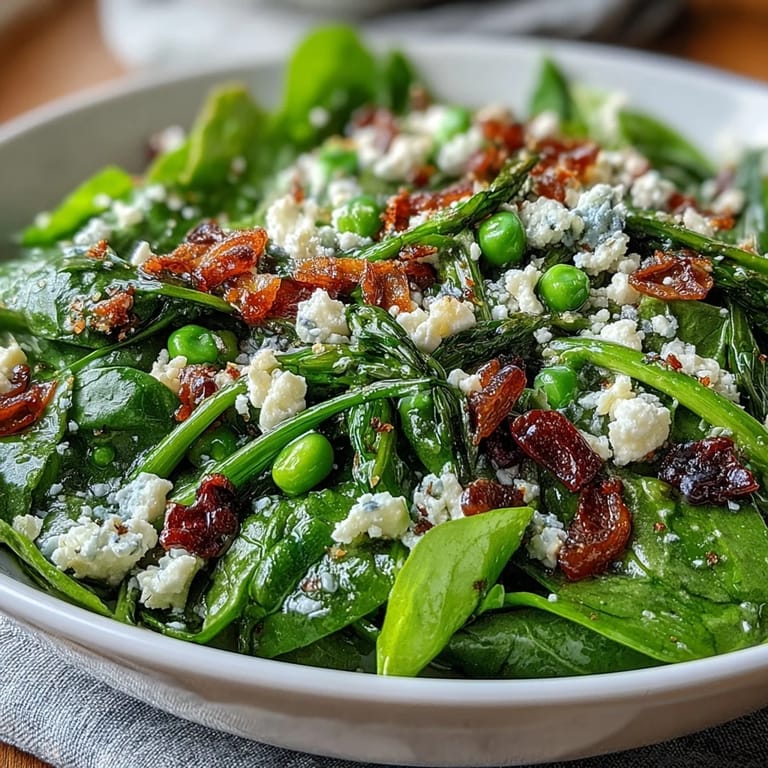
Save This is the salad I make when I want to feel like spring has actually arrived in my kitchen, when I want to taste what the season is actually offering. It's simple enough that it never feels like work, but thoughtful enough that it tastes like you were paying attention.
Recipe FAQs
- → What makes the vinaigrette bright and zesty?
Fresh lemon juice and finely grated lemon zest combine with Dijon mustard and honey to create a balanced, lively vinaigrette with a hint of sweetness.
- → Can I prepare the salad in advance?
To retain crispness, dress the salad just before serving. Prepare ingredients ahead but toss with vinaigrette shortly before enjoying.
- → What alternatives can be used instead of feta cheese?
For a dairy-free option, omit the feta or substitute with vegan cheese varieties or toasted nuts for extra texture.
- → How can I add protein to this salad?
Grilled chicken or salmon pairs well with the fresh greens and lemony dressing, boosting the meal’s protein content.
- → Are there suggestions to add crunch to the salad?
Toasted sunflower seeds or sliced almonds add a pleasant crunch and complement the soft vegetables and tangy dressing.