 Save
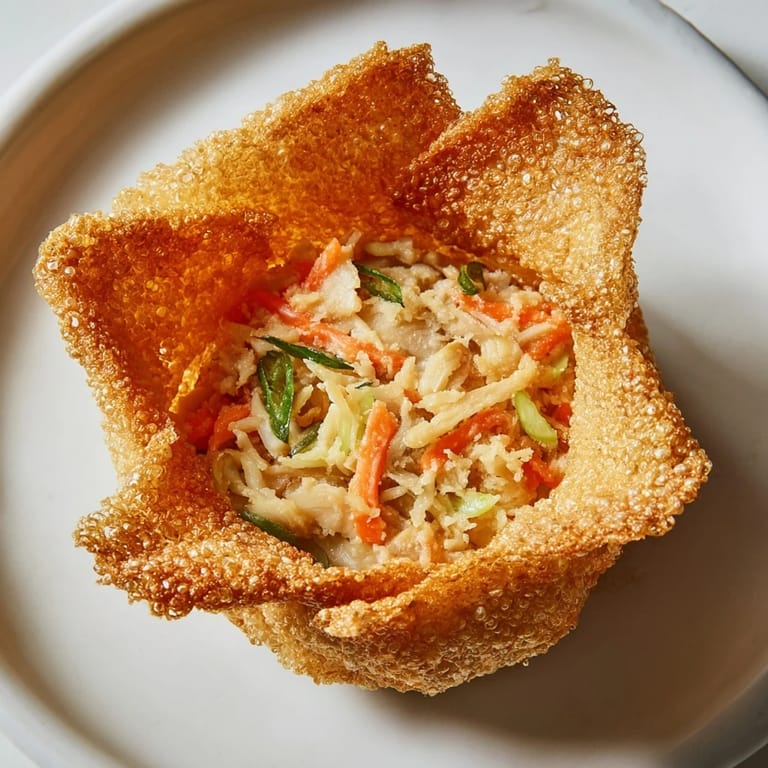
Save The first time I made crispy rice paper dumplings, I was standing in my kitchen on a lazy Sunday afternoon, armed with nothing but curiosity and a package of rice paper I'd picked up at the Asian market. My roommate wandered in asking what smelled so good, and within minutes, she was hovering over the stove watching these golden, crackly bundles emerge from the pan. That moment of her eyes lighting up as she bit into one—hearing that satisfying crunch—made me realize I'd stumbled onto something genuinely special. These dumplings became our secret weapon for impressing guests, and now I make them constantly.
I'll never forget watching my usually picky friend take her third dumpling, then ask if I'd be offended if she ate more. There's something about that perfect combination of a crispy exterior and a warm, juicy filling packed with vegetables that converts even the skeptics. It's become my go-to when I need to bring something to a potluck or when friends drop by unexpectedly.
Ingredients
- Shredded green cabbage: This is your volume and crunch—it wilts slightly during cooking but keeps enough structure to create little pockets of texture within the filling.
- Grated carrot: Adds natural sweetness and brightness that balances the umami from the soy sauce.
- Shiitake mushrooms: These are the secret umami bomb; finely chopping them releases their savory depth and makes them disappear into the filling so it feels cohesive.
- Green onions: A fresh, sharp note that prevents the filling from becoming one-dimensional.
- Garlic and fresh ginger: These two are what make people ask for your recipe—they create warmth and complexity without overpowering.
- Soy sauce and sesame oil: The soy brings saltiness and depth, while sesame oil adds a toasted, aromatic finish that makes the filling taste intentional.
- Rice paper sheets: Buy the 22 cm rounds; they're large enough to fold comfortably but not so thin they tear at the slightest touch.
- Neutral oil for frying: Canola or avocado oil keeps the focus on the dumpling itself and gets hot enough to create that golden, crispy shell.
Tired of Takeout? 🥡
Get 10 meals you can make faster than delivery arrives. Seriously.
One email. No spam. Unsubscribe anytime.
Instructions
- Mix your filling:
- Combine all the vegetables, garlic, ginger, soy sauce, and sesame oil in a large bowl, stirring until everything is evenly coated and the colors blend together beautifully. You're creating a canvas where each vegetable is present but nothing dominates.
- Cook the filling lightly:
- Sauté over medium heat for just 3–4 minutes until the cabbage starts to soften and release some of its liquid, but the vegetables stay firm enough to hold their shape. This step mellows the raw edges and lets the flavors meld while you let it cool on the counter.
- Soften the rice paper:
- Fill a shallow dish with warm—not hot—water and dip one sheet for about 5–10 seconds, letting it sit just long enough to become supple and pliable. The sweet spot is when it bends without cracking, which usually takes a bit of practice but becomes instinctive.
- Wrap each dumpling:
- Lay the softened rice paper on a damp kitchen towel and place 2 tablespoons of filling in the center, then fold in the sides and roll it up tightly like a burrito, keeping the seam on the bottom. Too much filling and it leaks; too little and you're left with just rice paper, so the amount is surprisingly important.
- Fry until golden:
- Heat oil in a skillet over medium heat, place dumplings seam-side down (this seals them), and cook for 2–3 minutes per side until they turn a beautiful golden brown and sound crispy when you tap them. Flip gently with tongs to avoid tearing, and you'll know they're ready when they feel lighter and make that satisfying crackle.
- Make the dipping sauce:
- Whisk together soy sauce, rice vinegar, a touch of maple syrup or honey, and chili flakes if you like heat, creating a balance of salty, tangy, and slightly sweet.
 Save
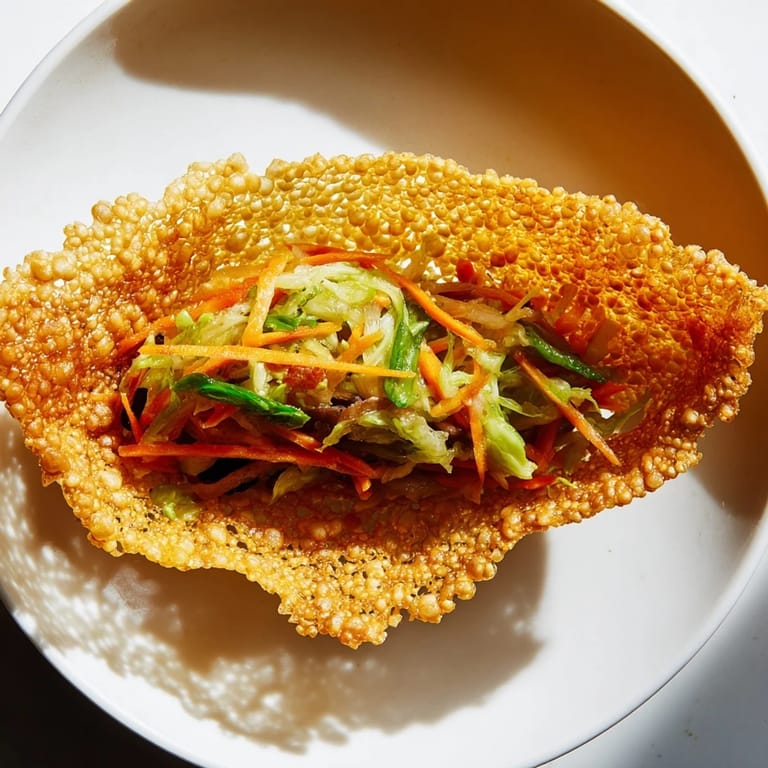
Save There's a moment right after the dumplings come out of the pan when the kitchen fills with this incredible aroma of toasted sesame and caramelized vegetables, and that's when people stop scrolling on their phones and actually show up. These little golden bundles have a way of turning a casual meal into something that feels intentional and special.
Making These Gluten-Free and Vegan
Rice paper is naturally gluten-free and these dumplings are already vegan by default, which means you're making something inclusive without sacrificing any flavor or texture. Just swap regular soy sauce for tamari in both the filling and the dipping sauce, and you've got a dish that works for nearly every dietary preference at your table. It's one of those rare recipes where the health-conscious version tastes just as good as the indulgent one.
The Crispy Factor
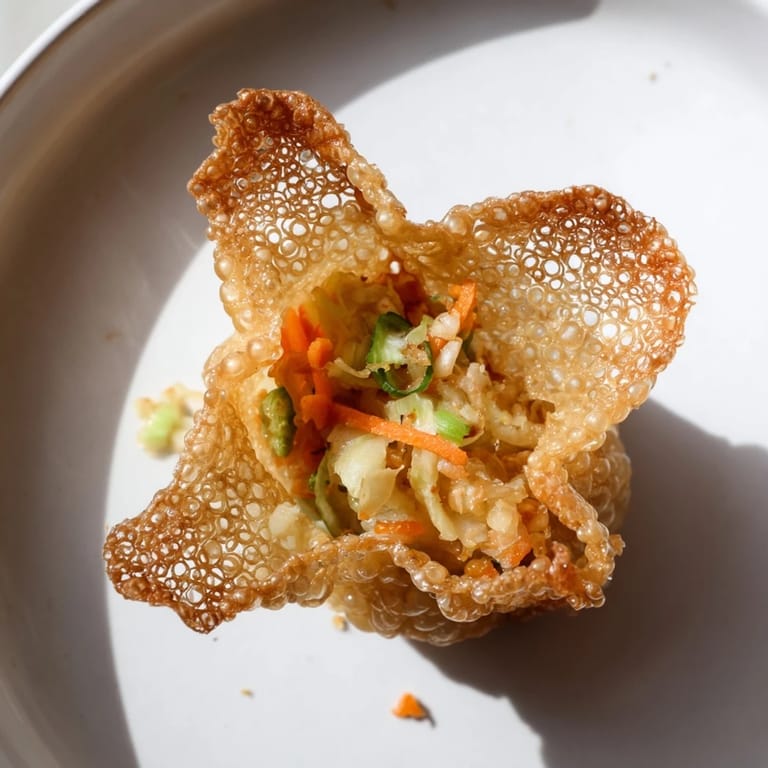
The golden crispiness is what makes these dumplings memorable, and it comes down to three things: medium heat (not too hot or the outside burns before the inside cooks through), leaving space between dumplings so steam can escape, and serving them immediately after they come out of the pan. I learned the hard way that even five minutes of sitting makes them lose their crunch as steam condenses inside the rice paper, so plate them hot and eat them hot. That contrast between the shattered exterior and the steaming, tender filling inside is what keeps people coming back for more.
Storage and Make-Ahead Tips
You can assemble these dumplings a few hours ahead and keep them on a parchment-lined tray in the fridge, which actually makes weeknight dinner less stressful. Pan-fry them straight from cold without thawing—they just need an extra minute per side. If you want to get ambitious, you can even freeze them after wrapping and fry them another time, though the fresher rice paper gives a slightly better crackle.
- Cooked dumplings lose their crispiness quickly, so treat them as a serve-immediately situation rather than something to reheat.
- For extra protein and richness, fold finely chopped pan-fried tofu or shredded cooked chicken into the filling.
- If you're feeling adventurous, double-wrap a dumpling in a second sheet of rice paper for an extra-crunchy texture that holds up even longer.
 Save
Save These dumplings remind me that some of the most impressive things to cook are actually the simplest ones, and that's the beauty of having them in your rotation. They're proof that texture matters just as much as flavor, and that a good crunch can make someone's entire day.
Recipe FAQs
- → How do I prevent the rice paper from tearing?
Dip the rice paper briefly in warm water just until pliable, avoiding over-soaking. Handle gently when folding and rolling to maintain integrity.
- → Can I add protein to the filling?
Yes, finely chopped tofu or cooked chicken can be mixed into the filling for added protein without affecting texture.
- → What oil works best for frying these dumplings?
Use a neutral oil like canola or avocado oil to ensure even crisping without overpowering the flavors.
- → How can I make the dumplings extra crispy?
Double wrapping each dumpling in two rice paper sheets before frying increases crunchiness and structural strength.
- → Is the dipping sauce necessary?
The dipping sauce adds a tangy, sweet, and slightly spicy element that complements the dumplings but can be omitted if preferred.