 Save
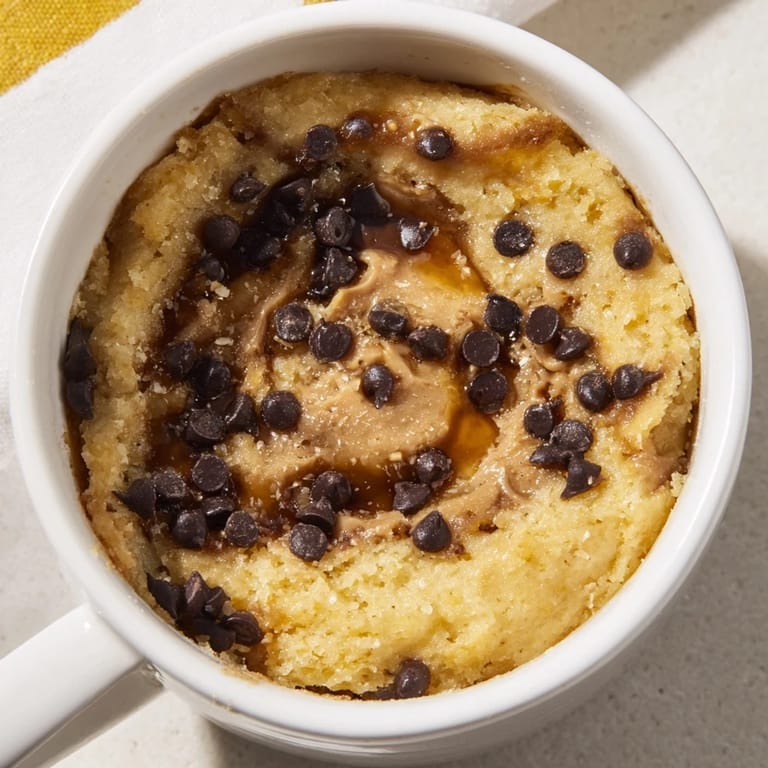
Save There's something almost magical about standing in front of the microwave at 10 PM, craving something sweet but too tired to justify heating up the oven. That's when I discovered this peanut butter mug cake—a total game-changer for those moments when you need dessert right now, not in thirty minutes. One fork, one mug, one minute later, and you're holding warm, fluffy cake that tastes like someone actually cared. It sounds too simple to work, but it does, every single time.
I made this for my roommate at midnight when she was stressed about an exam, and watching her face light up after that first bite reminded me that sometimes the simplest things matter most. She's made it probably twenty times since then, and now it's her go-to when she needs five minutes of comfort between tasks.
Ingredients
- Creamy peanut butter: Use the smooth kind here—it blends into the batter without leaving chunks, and it's the whole reason this cake tastes so good.
- Unsalted butter, melted: This adds tenderness and helps the peanut butter distribute evenly throughout the cake.
- Egg: One large egg is your leavening agent, so don't skip it or use a substitute unless you know what you're doing.
- Milk: Dairy or non-dairy both work perfectly; it just loosens the batter enough to cook through evenly.
- Vanilla extract: A small amount rounds out the flavor and keeps it from tasting one-dimensional.
- All-purpose flour: Keep it to the exact amount or the cake becomes dense instead of fluffy.
- Granulated sugar: Sweetness matters here, and it also helps the cake rise.
- Baking powder: This is what makes the cake fluffy instead of dense, so use fresh baking powder that hasn't been sitting in your cabinet for three years.
- Salt: Just a pinch to balance the richness of the peanut butter and make every flavor pop.
Tired of Takeout? 🥡
Get 10 meals you can make faster than delivery arrives. Seriously.
One email. No spam. Unsubscribe anytime.
Instructions
- Bring the peanut butter to life:
- Combine the peanut butter and melted butter in your mug and stir until completely smooth—no lumps hiding at the bottom. The butter helps the peanut butter relax and blend into the batter instead of staying thick and stubborn.
- Mix in the wet ingredients:
- Add the egg, milk, and vanilla extract, then whisk with a fork until everything is fully combined and looks like a creamy batter. You want no streaks of egg white showing through.
- Fold in the dry ingredients:
- Sprinkle the flour, sugar, baking powder, and salt on top, then stir gently until just combined. This is the moment where you have to resist the urge to overmix—lumps are fine, but overworked flour makes tough cake.
- Microwave with confidence:
- Microwave on high for 60 to 75 seconds, watching it rise up the sides of the mug like a tiny edible science experiment. When the center looks set and barely jiggles, you're done—overcooking even by 10 seconds can make it rubbery.
- Let it breathe:
- Wait one to two minutes before digging in so the structure sets and the flavors mellow slightly. The cake will continue cooking a tiny bit from residual heat, which is exactly what you want.
 Save
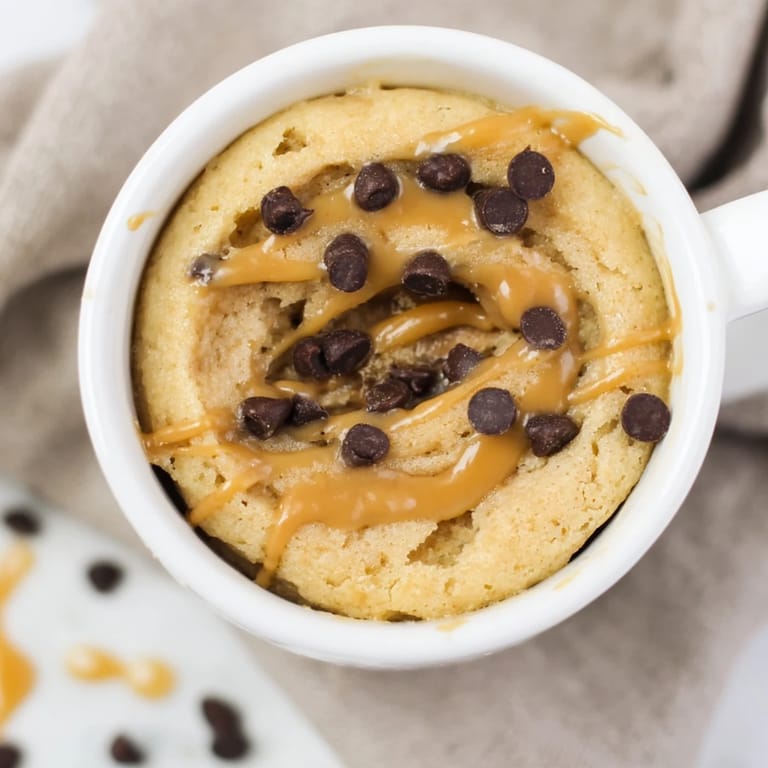
Save I've eaten this cake straight from the mug in my pajamas at random hours, served it to guests who were shocked at how good something made in the microwave could taste, and even brought it to a potluck in a mug because I genuinely didn't care what anyone thought. It's become my answer to "I want dessert but I don't want to plan ahead."
Flavor Variations That Actually Work
Once you've made this basic version a few times, the mug becomes your little testing ground for creativity. Almond butter tastes deeper and slightly earthier than peanut butter, and sunflower seed butter works too if you have nut allergies. I've swapped vanilla for almond extract and gotten something almost marzipan-like, and adding a teaspoon of instant coffee powder to the wet ingredients made the peanut butter taste more sophisticated without being obvious. The formula stays the same—you're just riffing on what already works.
Toppings That Turn It Into Something Fancy
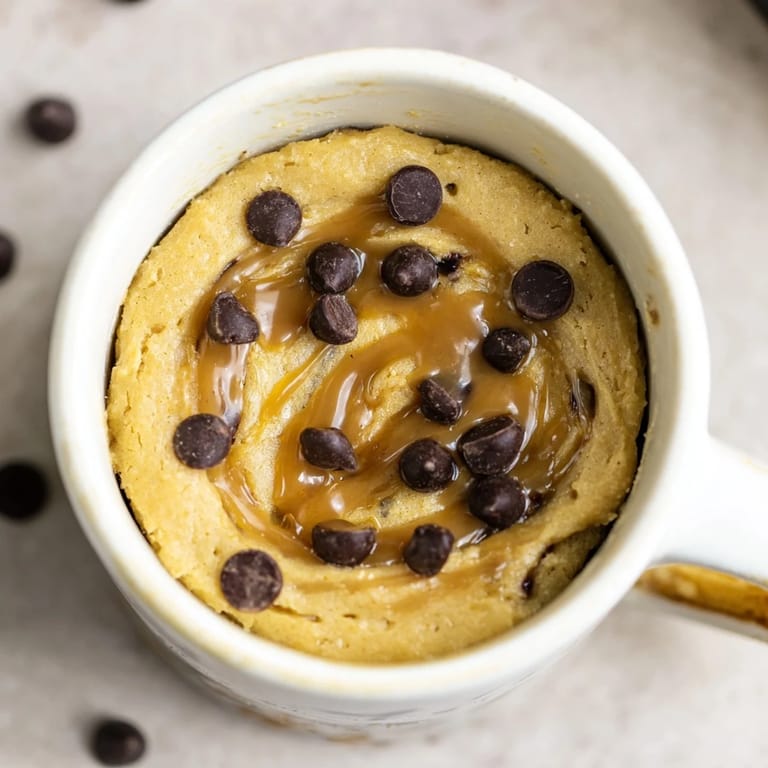
The beauty of eating straight from the mug is that you can get creative without making extra work for yourself. A handful of chocolate chips stirred into the warm cake melts them slightly and gives you little bursts of sweetness. A drizzle of honey on top tastes luxurious and adds moisture. A tiny scoop of vanilla or salted caramel ice cream on warm cake is genuinely hard to beat, and the contrast between warm and cold makes it feel special. My favorite discovery was a sprinkle of fleur de sel on top of melted chocolate chips—it sounds weird until you taste it.
- Chocolate chips, honey, or peanut butter chips work straight into the batter or on top.
- A pinch of cinnamon mixed into the dry ingredients adds warmth without changing the base flavor.
- Crushed pretzels or a drizzle of hot sauce are adventures for when you're feeling bold.
 Save
Save This cake exists in that perfect space where laziness meets satisfaction, where you get to feel like you've made something real even though it took three minutes. That's worth remembering.
Recipe FAQs
- → How long should the mug cake be microwaved?
Microwave on high for 60 to 75 seconds until the cake rises and the center is set, avoiding overcooking.
- → Can I use alternatives to regular milk in this mug cake?
Yes, almond or oat milk can be substituted for a dairy-free version without altering the flavor significantly.
- → What tools are needed to prepare the mug cake?
A microwave-safe mug and a fork or small whisk are essential for combining ingredients and cooking.
- → Can I add toppings to enhance the flavor?
Chocolate chips, honey drizzles, or a scoop of ice cream make great additions for extra indulgence and texture.
- → Is the mug cake suitable for gluten-free diets?
Use a 1:1 gluten-free flour blend in place of all-purpose flour to keep it gluten-free.